TCM for Gastro-Intestinal Disorders

Holistic Management Methods for your Gastro-Intestinal Disorders
First Consult from $55 (Subsequently $35)
Treatments from $65 per session
No packages or hard selling - we keep things simple.
TCM Gastro-Intestinal Disorder Therapies
Relieve discomfort caused by gastro-intestinal disorders and reclaim your quality of life. Regis Wellness is here to support you against a multitude of digestive problems. Restore balance to your digestive health through natural healing with TCM therapy at Regis Wellness.
Acupuncture for Balancing Qi
Discover the ancient art of TCM Acupuncture, where fine needles are strategically placed to stimulate energy flow, promoting balance and alleviating digestive discomfort.
Herbal Formulations for Gut Nourishment
Explore personalised herbal medicines crafted to nourish the digestive system, addressing imbalances and promoting overall gastrointestinal health.
Cupping Therapy for Detoxification
Benefit from TCM Cupping therapy, a technique promoting detoxification and improved circulation to alleviate bloating and support digestive function.
Dietary Guidance for Digestive Harmony
Receive guidance on dietary choices aligned with TCM principles, supporting your digestive system and promoting optimal gut function.
Benefits of TCM to gastro health
- Balance digestive and stomach Qi
- Strengthening the spleen
- Clearing Dampness and Phlegm
- Balance Yin and Yang
Digestive Conditions We Treat
Our TCM physicians treat a wide range of digestive conditions using acupuncture, herbal medicine, moxibustion, and dietary guidance. Treatment is based on individual pattern diagnosis, addressing root cause rather than symptoms alone.
Irritable Bowel Syndrome (IBS)
IBS commonly reflects Liver Qi stagnation, where stress directly disrupts digestive function, or Spleen Qi deficiency with dampness causing sluggish digestion and loose stools. Acupuncture and herbal medicine are prescribed to your specific pattern, addressing both the bowel symptoms and the emotional triggers driving them.
Acid Reflux and GERD
Acid reflux reflects rebellious Stomach Qi, often arising from heat in the Stomach, emotional stress, or Spleen deficiency. Acupuncture and herbal formulas that harmonise Stomach Qi and clear heat can significantly reduce reflux frequency, and are commonly used alongside conventional treatment for patients wanting to reduce long-term medication dependence.
Bloating and Abdominal Distension
Bloating in TCM has several causes: food stagnation, Spleen Qi deficiency, dampness accumulation, or Liver Qi stagnation that worsens with stress. Our physician identifies the specific pattern driving your symptoms and prescribes acupuncture, herbal medicine, and where relevant moxibustion accordingly.
Chronic Constipation
Constipation is never treated uniformly in TCM. Dry stools with thirst reflect Yin deficiency; slow stools with fatigue suggest Qi deficiency; cold-type constipation points to Yang deficiency; stress-related constipation reflects Liver Qi stagnation. Herbal medicine, acupuncture, and moxibustion are selected based on your pattern.
Chronic Diarrhoea and Loose Stools
Recurring diarrhoea or loose stools most commonly reflect Spleen Qi deficiency with dampness, or Liver invading the Spleen in stress-prone patients. Early-morning diarrhoea with cold extremities points to Kidney Yang deficiency, where moxibustion and warming herbal formulas are the primary treatment.
Gastritis and Stomach Pain
Burning epigastric pain with thirst reflects Stomach heat; dull cramping pain relieved by warmth reflects cold invasion; pain that shifts with stress reflects Qi stagnation. Acupuncture, herbal medicine, and moxibustion are used according to the specific pattern identified at consultation.
Digestive Health, Stress, Sleep, and Immunity
Digestive patterns in TCM rarely stand alone. Stress and poor sleep both compound Spleen Qi deficiency over time. Low immunity and dampness accumulation share the same root as chronic bloating and fatigue. If your digestive symptoms are entangled with poor sleep, stress, or low energy, mention all of them at your first consultation. Our physician will treat the pattern as a whole.
What is TCM Gastro-Intestinal Management
Traditional Chinese Medicine (TCM) has a comprehensive approach to health that considers the balance of the body's vital energies, known as Qi, as well as the harmonious functioning of organ systems. At Regis Wellness TCM Clinic, our physicians views the digestive system as a crucial component of overall well-being, and various practices are employed to support gastrointestinal health.
Common Gastro-intestinal issues from TCM prospective
- Bloating, fullness and nausea - Stagnation of Qi in the Stomach, leading to poor digestion and absorption of food.
- Poor appetite, loose & sticky stools, bloating - Spleen Qi Deficiency. The Spleen is the central organ of digestion in TCM. The Spleen's digestive function involves breaking down food, extracting nutrients, and transforming them into Qi. Qi deficiency in the Spleen can lead to weakened digestive function.
- Irritability, abdominal distension, and bowel irregularities - Liver Qi Stagnation. Emotional stress and frustration can lead to Liver Qi stagnation, affecting the smooth flow of Qi in the digestive system.
- Heavy sensation in the abdomen, bloating, and sticky stools - Dampness and Phlegm. Dampness and Phlegm are considered pathogenic factors that can obstruct the digestive system, leading to various gastrointestinal issues. Dampness and Phlegm accumulation can create a toxic environment in the body, leading to oxidative stress and inflammation.
- Burning sensation in the stomach, acid reflux, and thirst - Heat in the Stomach. Consuming large amounts of spicy, greasy, fried foods can cause inflammation and irritation, leading to accumulation of heat in the stomach.
- Abdominal pain, bloating, and diarrhea with a preference for warmth - Coldness in the Spleen and Stomach. Consuming excessive amounts of cold or raw foods, such as ice-cold beverages, raw vegetables, and dairy products, can impair the digestive function of the spleen and stomach and lead to the accumulation of coldness. Coldness in the digestive organs impairs the digestive processes, causing discomfort and loose stools.
- Bitter taste in the mouth, nausea, and yellowish complexion - Liver and Gallbladder Damp Heat. Liver and gallbladder damp heat refers to an imbalance characterized by excessive heat and dampness accumulating in the liver and gallbladder organs or meridians. This imbalance can have a significant impact on digestion and may manifest in various symptoms and conditions related to the gastrointestinal system.
- Feeling of fullness, bloating, and discomfort after eating - Food Stagnation. Food stagnation occurs when the digestive system struggles to process and move food efficiently.
Causes of Gastro-intestinal issues from TCM prospective
Dietary Irregularities 饮食不规律
Consuming excessive amounts of cold, raw, or processed foods, irregular eating habits, or overindulgence in spicy or greasy foods can disrupt the digestive process, leading to imbalances.
Emotional Factors 情志因素
Emotional stress, frustration, and unresolved emotions can affect the Liver and Stomach, leading to disruptions in the flow of Qi and contributing to various gastrointestinal issues.
Weakness of Digestive Organs 脾胃虚弱
In TCM, the Spleen and Stomach are crucial for digestion. Weakness or deficiency in these organs, often due to poor lifestyle habits or constitutional factors, can result in impaired digestion.
Dampness and Phlegm Accumulation 痰多湿重
Consumption of damp-producing foods, living in damp environments, or exposure to damp weather can lead to the accumulation of dampness and phlegm in the digestive organs, causing obstructions.
Heat in the Stomach 胃热
Excessive consumption of spicy, fried, or greasy foods, along with emotional factors like anger and stress, can contribute to the accumulation of heat in the Stomach.
Cold Invasion 寒邪侵袭
Exposure to cold weather, consumption of cold foods or beverages, or living in cold environments can lead to the invasion of cold in the digestive system, causing stagnation.
Genetic and Constitutional Factors 遗传和体质因素
TCM recognises that individuals may have different constitutional strengths and weaknesses. Some may be more prone to certain imbalances that affect the digestive system.
Food Stagnation 食物滞留
Overeating, eating too quickly, or consuming foods that are difficult to digest can lead to food stagnation, where the digestive system struggles to process and move food efficiently.
Ways to improve Gastro Health
- Eat healthy
- Always eat on time
- Stay hydrated
- Chew food thoroughly
- Limit oily, processed food
- Limit spicy food
- Exercise regularly
- Avoid a sedentary lifestyle
- Avoid smoking and excessive alcohol
Meet Our Physicians

Senior TCM Physician
Bachelor of Medicine, Chinese Medicine (Beijing University of Chinese Medicine)
Bachelor of Science (Hons), Biomedical Sciences (NTU)
M.Med, Combination of TCM and Western Medicine (Clinical) (Liaoning University of Chinese Medicine)
Languages Spoken: English, 中文
Special Interest: Pain Management, Women's Health, General Wellness (Sleep & Gastro Disorders, Post-COVID Conditions)

TCM Physician
Bachelor of Medicine (Chinese Medicine) (Guangzhou University of Chinese Medicine)
Advanced Diploma in Traditional Chinese Medicine (Chinese) (Singapore College of Traditional Chinese Medicine) (NTU)
Functional Fitness for Pregnancy & Postpartum™ (FFP&P) Certified Trainer
Languages Spoken: English, 中文
Special Interest: Pregnancy & Postpartum Recovery, Urology and Pelvic Floor Dysfunction, Women’s Health, Pain Management and Rehabilitation

TCM Physician
Bachelor of Medicine, Chinese Medicine (Beijing University of Chinese Medicine)
Bachelor of Science (Hons), Biomedical Sciences (NTU)
Languages Spoken: English, 中文
Special Interest: Pain Management, Digestive Health and Gastrointestinal Conditions, Stress-related Conditions and Sleep Disorders, Chronic Disease Support and Lifestyle-related Conditions, Women’s Health, Preventive Health and Holistic Wellbeing
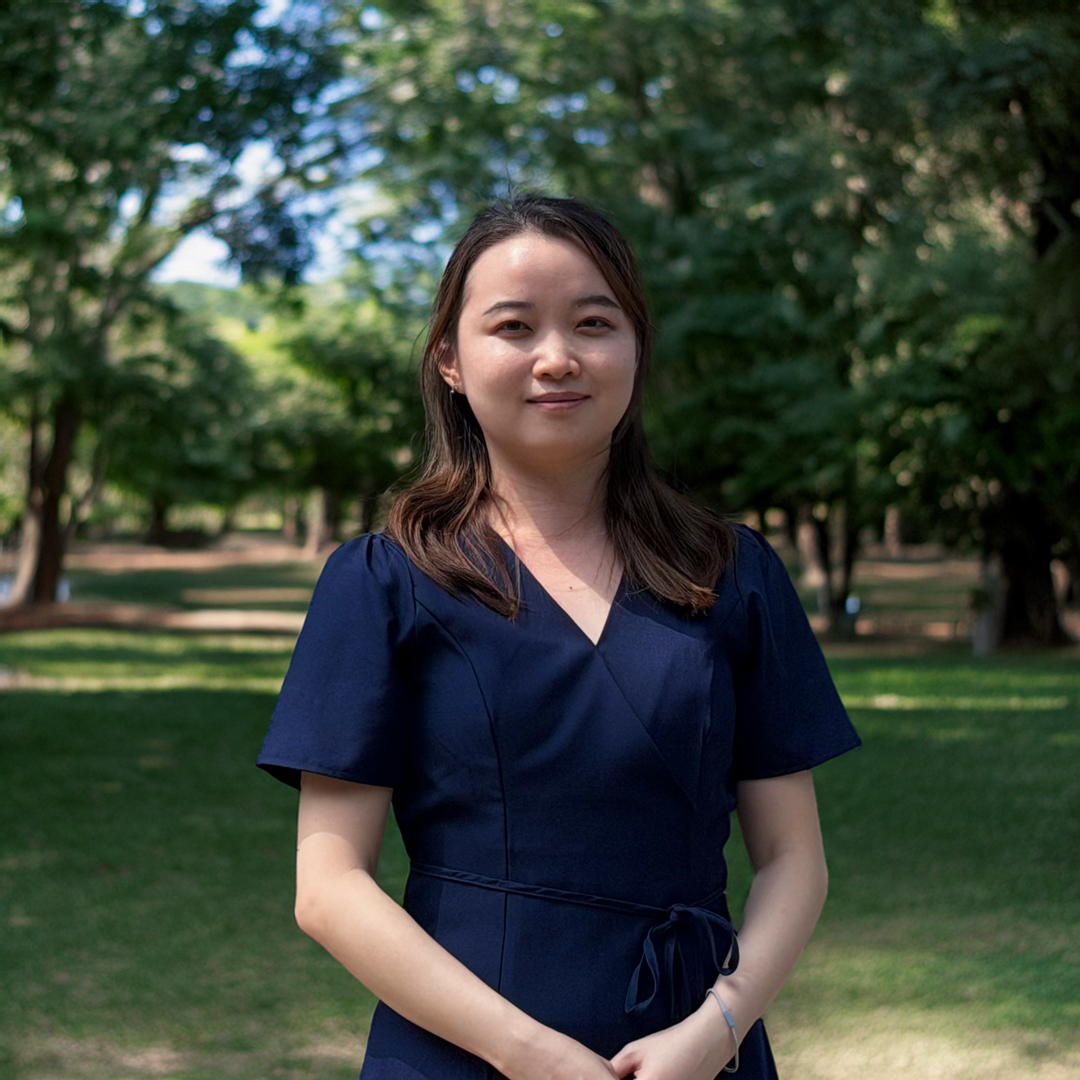
TCM Physician
Bachelor of Medicine, Chinese Medicine (Beijing University of Chinese Medicine)
Bachelor of Science (Hons), Biomedical Sciences (NTU)
Masters of Medicine, Major in Acupuncture and Tuina (Liaoning University of Traditional Chinese Medicine)
Languages Spoken: English, 中文
Special Interest: Pain Management, Post-Stroke Recovery, Stress-related Conditions and Sleep Disorders, Chronic Disease Support and Lifestyle-related Conditions, Women’s Health & Neurological Disorders (ie. Parkinsons, Alzheimers)
Why Choose Regis Wellness for Digestive Health
Two of our four TCM physicians list digestive health as a special clinical interest. Senior Physician Amanda Chua's special interests include gastro disorders, and Physician Leona Quek specialises specifically in digestive health and gastrointestinal conditions. This means patients with digestive complaints are seen by physicians who treat this category every day, not as a side concern alongside unrelated specialisms.
Digestive conditions often require ongoing management over weeks or months, but treatment frequency changes over time as you stabilise. We charge per session with no package commitments, so you can adjust your treatment cadence freely as your condition improves. No upfront blocks, no lock-in, no pressure to continue beyond what you need.
All of our TCM physicians at Regis Wellness are registered with the TCM Practitioners Board (TCMPB) under Singapore's Ministry of Health. Our physicians hold dual qualifications in Traditional Chinese Medicine and Biomedical Sciences from leading institutions including Beijing University of Chinese Medicine, Guangzhou University of Chinese Medicine, and NTU. Your digestive health is in clinically credible hands.
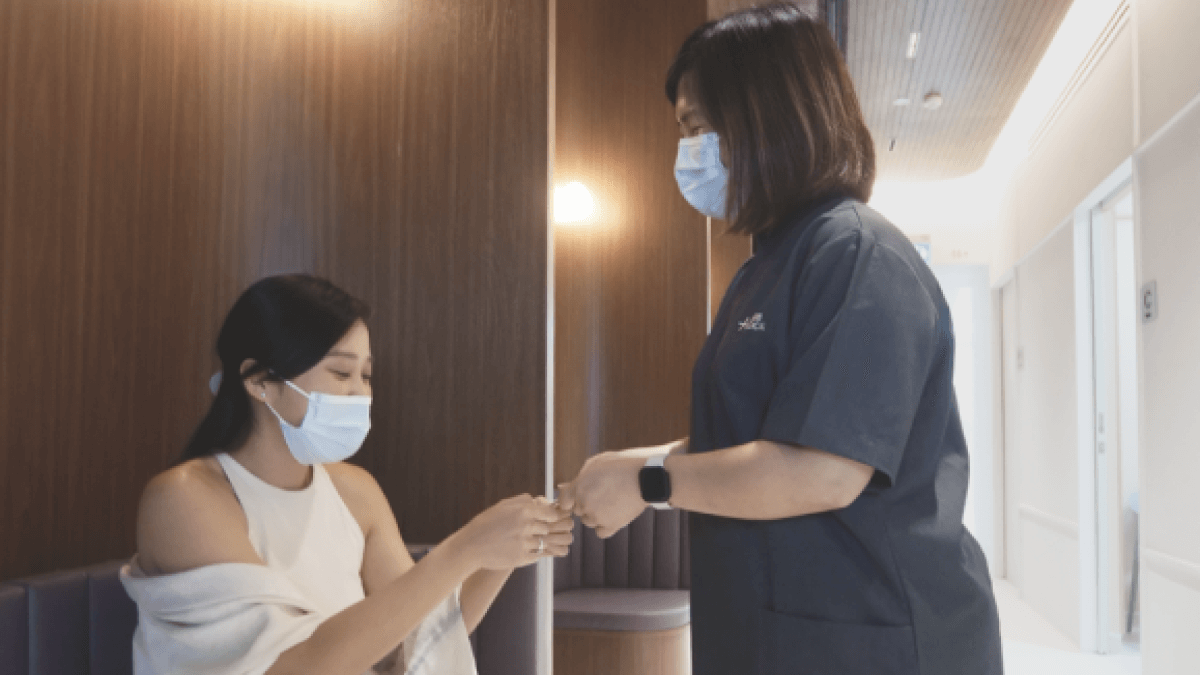
Digestive conditions are often intertwined with stress, anxiety, and lifestyle. Our clinic is designed for unhurried, private consultations where you can speak openly about your symptoms without feeling rushed. Many patients find that the calm of the clinic itself is part of what helps their digestion settle.
Take the First Step towards Digestive Harmony
Embark on a journey toward digestive harmony with confidence and vitality.
Schedule your initial consultation today.
Featured In

Locate Us
Regis Wellness Katong
437 Joo Chiat Road, Singapore 427650
Near Marine Parade MRT


Mon, Tues, Thurs, Fri:
8.30am - 2.30pm
5.30pm - 10.00pm
Wed:
8.30am - 2.30pm
Sat:
9.00am - 3.00pm
Closed on Sundays and Public Holidays. For the latest updates on our clinic’s opening hours, please check our Google Maps.
** We will end registration 45 mins before the displayed closing time above. Please make an appointment in advance to avoid disappointment.
What Our Patients Say About Us
FAQ
Accessibility & Support
Regis Wellness Katong is located at 437 Joo Chiat Road Singapore, 427650
Click here to view our opening hoursAppointment
You can book an appointment via WhatsApp here. You may also call our hotline @ +65 9851 3720 to book an appointment.
Finance
TCM Gastro Related
Yes, TCM treatments including acupuncture, herbal medicine and cupping, can help regulate bowel function, reduce inflammation, soothe the gastrointestinal tract, and alleviate symptoms associated with chronic digestive conditions.
When necessary, TCM treatments should be used in conjunction with conventional medical care. Any underlying health conditions contributing to chronic digestive ailments should be addressed in collaboration with healthcare providers.
TCM can offer complementary support for conditions like Crohn's disease and ulcerative colitis by addressing associated symptoms and promoting overall digestive health.
TCM treatments are often used in conjunction with conventional medical care to provide comprehensive support for patients with Crohn's disease and ulcerative colitis.
Yes, TCM treatments can address imbalances leading to constipation or diarrhea, promoting regular bowel movements and digestive comfort.
When necessary, TCM treatments can be used in conjunction with conventional medical care to provide comprehensive support for digestive health.
