TCM and Physiotherapy for Elbow Pain Singapore
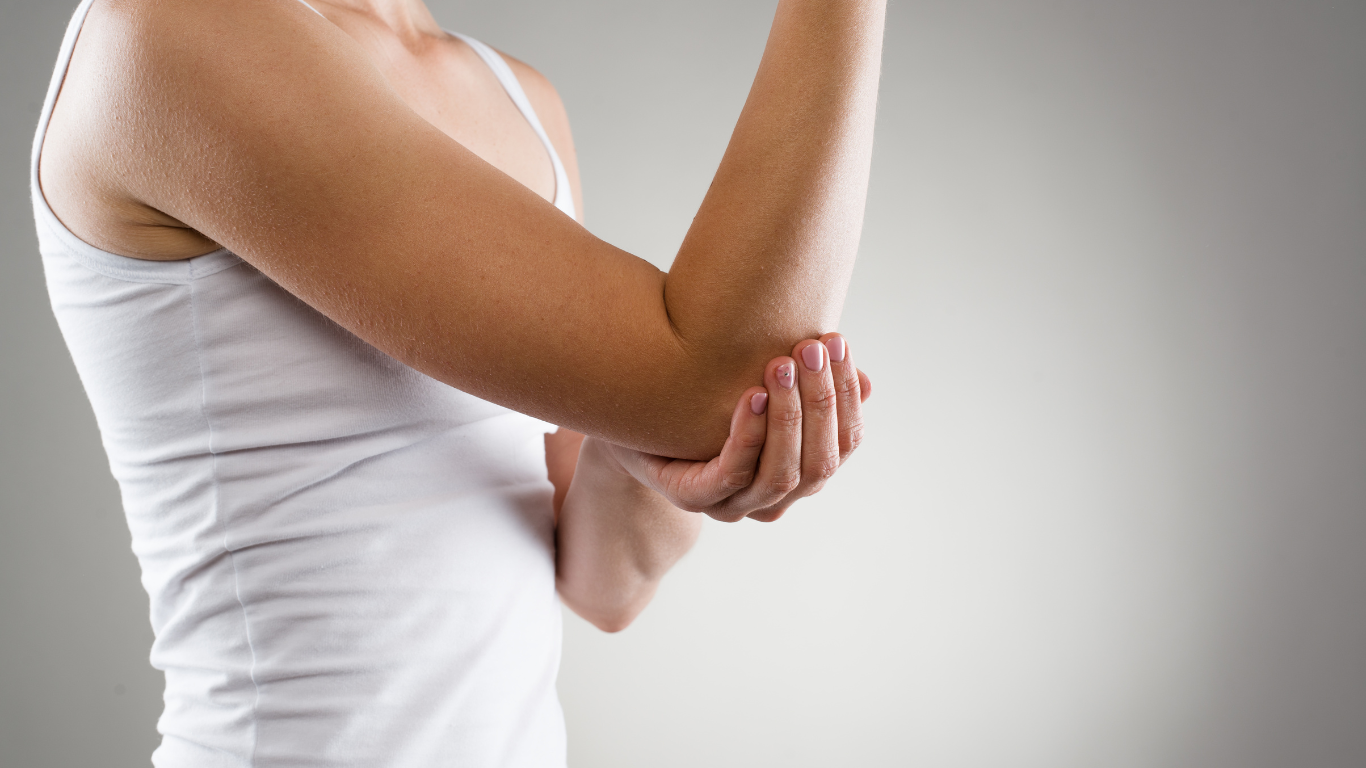
Holistic Care for Tennis Elbow, Golfer’s Elbow, Tendon Strain & More
At Regis Wellness, we combine Traditional Chinese Medicine (TCM) and Physiotherapy to provide holistic, non-surgical care for elbow pain and overuse injuries. Our team focuses on reducing inflammation, improving flexibility, and strengthening your forearm and joint support to prevent recurrence, helping you move freely again, whether from sports or work-related strain.
Common causes of Elbow pain
Tennis Elbow (Lateral Epicondylitis)
Pain and inflammation on the outer part of the elbow. It is often caused by repetitive gripping and wrist extension activities.
Golfer's Elbow (Medial Epicondylitis)
Pain and inflammation on the inner side of the elbow. It is caused by repetitive gripping and wrist flexion activities.
Elbow Tendinitis
Inflammation of the elbow tendons. Overuse or repetitive motions can lead to tendinitis, causing pain and swelling.
Fracture
Fractures of the bones in the elbow, such as the radius, ulna, or humerus, can cause significant pain. Fractures may result from trauma or accidents.
Elbow Sprains or Ligament Tear
Injuries to the ligaments in the elbow, such as a sprain or tear, can cause pain and instability. These injuries can result from trauma or overuse.
Arthritis
Both osteoarthritis and rheumatoid arthritis can occur in the elbow joint, leading to pain, stiffness, and reduced range of motion.
Dislocated Elbow
A dislocated elbow occurs when the bones in the joint are forced out of alignment. It is often associated with trauma and can cause severe pain and swelling.
Elbow pain often coincides with wrist pain or shoulder pain, particularly for athletes and desk workers. Our integrated approach treats connected issues together.
At Regis Wellness, we focus on addressing both the source of pain and the underlying imbalance through a seamless blend of modern and traditional techniques.
When To Seek Treatment for Elbow Pain?
Elbow pain is often caused by repetitive strain from work, sports, or daily activities. While mild discomfort may improve with rest, persistent or worsening symptoms should be evaluated early to prevent long-term tendon damage.
You should seek treatment if you experience:
- Pain lasting more than 1 week - Ongoing elbow pain may indicate tendon inflammation or overuse injury, such as tennis elbow or golfer’s elbow.
- Pain when gripping or lifting objects - Discomfort when holding items, shaking hands, or lifting weights is a common sign of tendon strain or degeneration.
- Weak grip strength - Difficulty gripping objects or reduced strength in your forearm may indicate tendon injury or muscle imbalance.
- Pain spreading down the forearm - Pain that radiates from the elbow to the wrist is often associated with repetitive strain injuries.
- Stiffness or limited movement - Difficulty fully straightening or bending the elbow may indicate joint or soft tissue restriction.
Early treatment can help reduce inflammation, restore strength, and prevent chronic elbow conditions from developing.
How Our Integrative Approach Works
We believe lasting elbow recovery requires both joint healing and energetic balance. Our TCM physicians and physiotherapists often work in tandem to relieve pain, restore flexibility, and prevent overuse injuries. Through acupuncture and herbal support, inflammation is reduced at the root, while physiotherapy retrains forearm strength and movement for lasting relief from tennis elbow, golfer’s elbow, and tendon strain.
TCM for Elbow Pain
At Regis Wellness TCM Clinic, a holistic and natural approach to relieving elbow pain and promoting recovery. Our skilled TCM Physicians use time-tested methods such as acupuncture, herbal medicine, cupping, and Gua Sha to restore Qi flow, improve circulation, and support natural healing, offering a minimally invasive and non-surgical alternative for pain management.
How TCM Helps Elbow Pain
In TCM, elbow pain is often caused by stagnation of Qi and blood in the meridians that pass through the arm and forearm. This stagnation may result from repetitive strain, “wind-cold-damp” invasion, or overuse injuries. By improving energy flow and reducing inflammation, TCM therapies help to relieve pain, restore mobility, and strengthen the muscles and tendons surrounding the elbow.
- Tennis Elbow & Golfer’s Elbow - Acupuncture targets meridian points around the elbow and forearm to reduce inflammation, relieve pain, and promote tissue repair. Cupping helps relax tight forearm muscles and improve local blood flow, accelerating recovery from repetitive strain injuries.
- Elbow Tendinitis & Sprain - Gua Sha (scraping therapy) and herbal medicine reduce inflammation and promote tendon healing. Moxibustion warms and relaxes the affected area, enhancing circulation and flexibility.
- Arthritis or Chronic Stiffness - Moxibustion and warming herbal prescriptions relieve deep joint stiffness and “cold-type” arthritic pain, while acupuncture restores joint mobility and function.
- Post-Injury Recovery - After fractures or dislocations, TCM supports recovery by improving blood flow, reducing scar tissue formation, and nourishing the tendons and ligaments for long-term stability.
TCM Treatments for Elbow Pain
- Acupuncture: Stimulates specific acupoints around the elbow and forearm to relieve inflammation, enhance blood flow, and relax tight tendons. Effective for conditions such as tennis elbow (lateral epicondylitis) and golfer’s elbow (medial epicondylitis).
- Cupping Therapy: Uses gentle suction to increase circulation and release muscle tension in the arm and forearm. This helps remove stagnation, reduce swelling, and speed up recovery from overuse injuries.
- Moxibustion: Involves warming key acupuncture points using moxa (mugwort) to enhance circulation and ease chronic, cold-type elbow pain that worsens in cool or damp environments.
- Gua Sha (Scraping Therapy): Using a smooth-edged tool over oiled skin, gentle unidirectional strokes help stimulate microcirculation, break up localised stagnation, reduce inflammation, and relieve muscle tightness, especially helpful for elbow, shoulder or neck discomfort.
- Herbal Medicine: Customised formulas target inflammation, improve tendon repair, and strengthen the connective tissues.
Benefits of TCM for Elbow Pain
- Relieves pain and reduces inflammation naturally
- Promotes microcirculation and speeds tissue healing
- Releases soft tissue tightness and adhesions
- Enhances tendon and connective tissue health
- Restores joint mobility and flexibility
- Addresses root causes to prevent recurrence
At Regis Wellness, our TCM Physicians develop personalised treatment plans to address both the symptoms and underlying causes of elbow pain.
Physiotherapy for Elbow Pain
Our physiotherapy provides personalised exercise and rehabilitation programmes to relieve elbow pain, restore mobility, and strengthen surrounding muscles.
Our physiotherapists use evidence-based techniques such as ultrasound therapy, deep tissue massage, and sports massage to reduce inflammation, improve flexibility, and support recovery from both acute and chronic elbow conditions. Each treatment plan is tailored to your lifestyle, activity level, and type of injury for the most effective results.
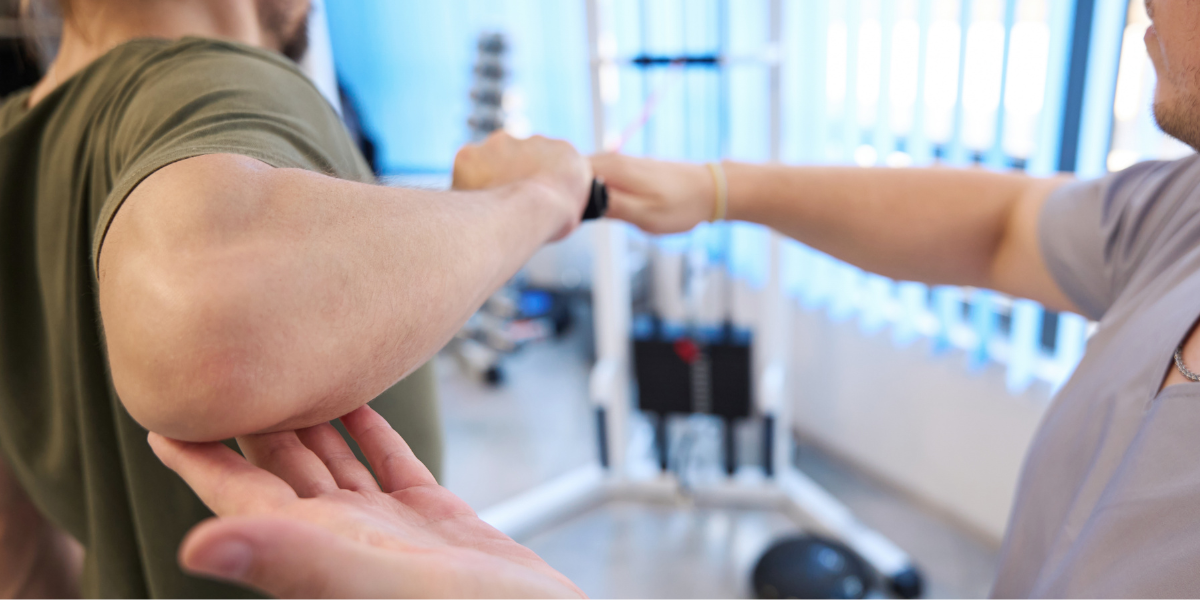
How Physiotherapy Helps Elbow Pain
- Tennis Elbow & Golfer’s Elbow - Deep tissue massage and targeted stretching release tension in the forearm muscles. Eccentric strengthening exercises improve tendon resilience, while ultrasound therapy speeds up healing in the inflamed area.
- Elbow Tendonitis - Manual therapy and progressive loading exercises restore tendon strength and flexibility without aggravating inflammation.
- Elbow Sprains & Ligament Tears - Gentle mobilisation and strengthening exercises improve stability and prevent chronic weakness after injury.
- Arthritis & Degenerative Pain - Heat therapy, joint mobilisation, and mobility exercises reduce stiffness and improve range of motion.
- Post-Fracture or Dislocation Rehabilitation - Physiotherapy focuses on restoring joint flexibility, strength, and coordination through guided movement and graded loading.
Physiotherapy Treatments for Elbow Pain
- Ultrasound Therapy: Uses soundwave energy to promote deep tissue healing, reduce inflammation, and speed up recovery in tendons and ligaments around the elbow joint. Especially effective for tennis elbow and golfer’s elbow.
- Deep Tissue Massage: Relieves chronic tightness and muscle knots in the forearm and upper arm, easing tension that contributes to elbow strain. It helps improve circulation and flexibility, allowing better joint function.
- Sports Massage: Designed for athletes and active individuals, sports massage targets overused muscles and tendons caused by repetitive gripping, swinging, or lifting motions. It reduces pain, enhances recovery, and prevents reinjury.
- Manual Therapy: Gentle joint mobilisation and soft tissue techniques restore normal movement, improve alignment, and alleviate pain caused by stiffness or tendon irritation.
- Rehabilitation Exercises: Progressive strengthening and stretching exercises help stabilise the elbow, strengthen forearm muscles, and improve flexibility to support long-term recovery and prevent recurrence.
Benefits of Physiotherapy for Elbow Pain
- Reduces pain, stiffness, and inflammation
- Improves grip strength and flexibility
- Restores proper joint mechanics and alignment
- Enhances muscle endurance and control
- Prevents recurring elbow strain or overuse injuries
Sports Physio for Elbow Pain
Our sports physiotherapy programmes are designed for active individuals who experience elbow pain from tennis, golf, weightlifting, badminton, and various other sports. These sports place repetitive strain on the forearm and elbow joint, often leading to micro-tears or inflammation in the tendons. Our physiotherapists develop a comprehensive plan that combines manual therapy, functional strengthening, and flexibility training to restore optimal movement and prevent reinjury.
Through targeted sports injury management, rehabilitation preventive strategies, we help you:
- Eliminate pain during and after sports activities
- Enhance forearm and grip strength for better performance
- Improve flexibility and joint stability
- Prevent recurring tendon and muscle strain
Whether you’re recovering from an injury or seeking to improve athletic performance, our physiotherapy team helps you regain confidence and return to your activities pain-free.
TCM vs Physiotherapy for Elbow Pain
Both Traditional Chinese Medicine (TCM) and Physiotherapy are effective treatments for elbow pain, but they work in complementary ways.
TCM (Acupuncture, Cupping, Gua Sha)
- Helps reduce inflammation and relieve pain naturally
- Improves blood circulation and Qi flow to support healing
- Releases tight forearm muscles and fascia
- Addresses underlying imbalances contributing to chronic strain
Physiotherapy
- Restores strength and tendon resilience
- Improves grip strength and joint stability
- Corrects movement patterns and overuse habits
- Provides structured rehabilitation exercises
Combined Approach (Best Outcomes)
For many patients in Singapore, combining both treatments provides optimal results:
- TCM reduces inflammation and relieves pain quickly
- Physiotherapy rebuilds strength and prevents recurrence
- Together, they provide a long-term solution for elbow pain
This approach is especially effective for tennis elbow, golfer’s elbow, and chronic overuse injuries.
Why Choose Regis Wellness for Elbow Pain Relief
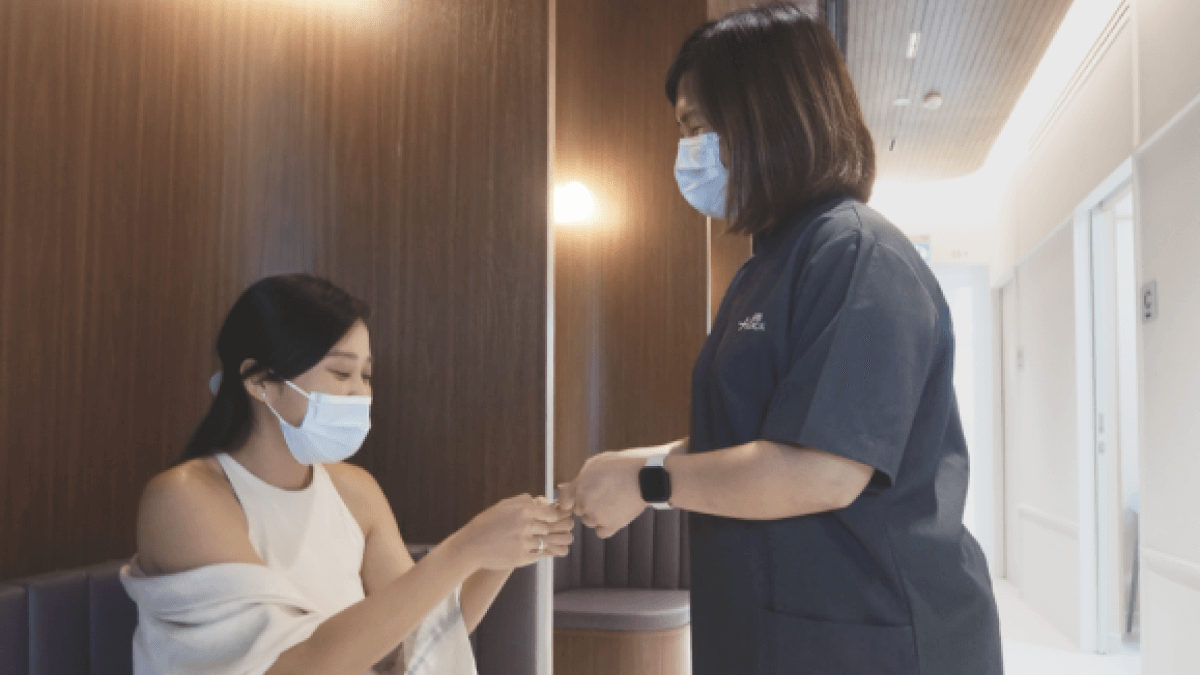
Elbow pain often benefits from both modalities working together, TCM addressing tendon inflammation, circulation, and muscular tension, while physiotherapy retrains forearm strength, corrects movement patterns, and rebuilds tendon resilience. Regis Wellness is one of the few clinics in Singapore offering integrated TCM and physiotherapy under one roof. For overuse conditions like tennis elbow, golfer's elbow, and chronic tendinopathy, combined care often delivers faster, more lasting relief than either modality alone.
Tennis elbow and golfer's elbow are notoriously slow to heal, typically 6 to 12 weeks of treatment, sometimes longer. We charge per session, not per package, because we don't think you should pay upfront for sessions you may not need. You decide cadence with your practitioner based on how your elbow responds. No commitments, no upselling, no pressure.
Our TCM physicians are TCMPB-registered with combined training in Traditional Chinese Medicine and Biomedical Sciences from leading institutions including Beijing University of Chinese Medicine, Guangzhou University of Chinese Medicine, and NTU. Our physiotherapist is AHPC-registered with degrees from Curtin University. The result is elbow care grounded in both clinical credibility and evidence-aware practice.
Persistent elbow pain disrupts work, sport, and daily activities. Our clinic is designed for unhurried, quiet sessions in private treatment rooms, many patients describe their visits as the most restful part of their week. Healing happens better when treatment isn't rushed.
Our Team of Pain & Injury Specialists
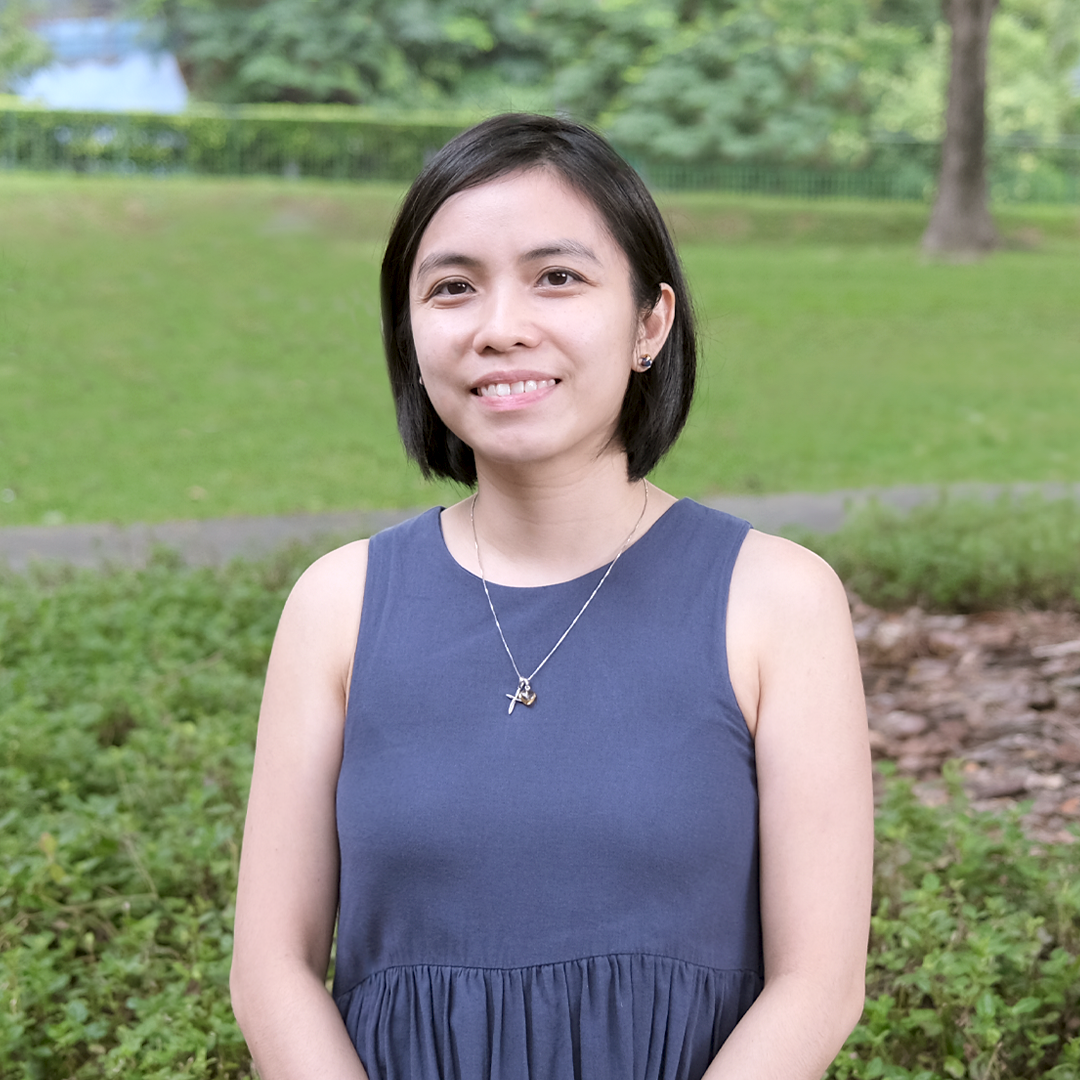
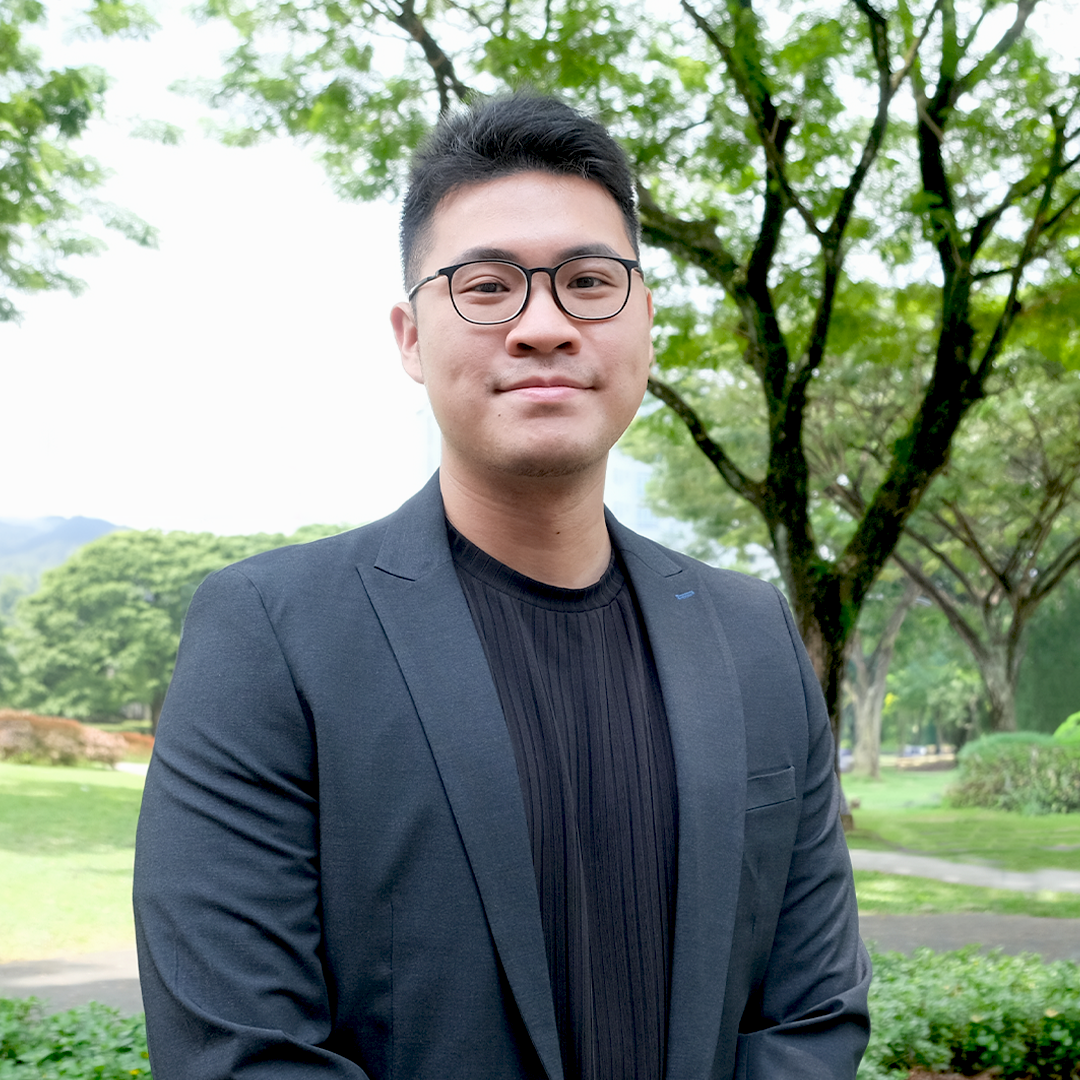
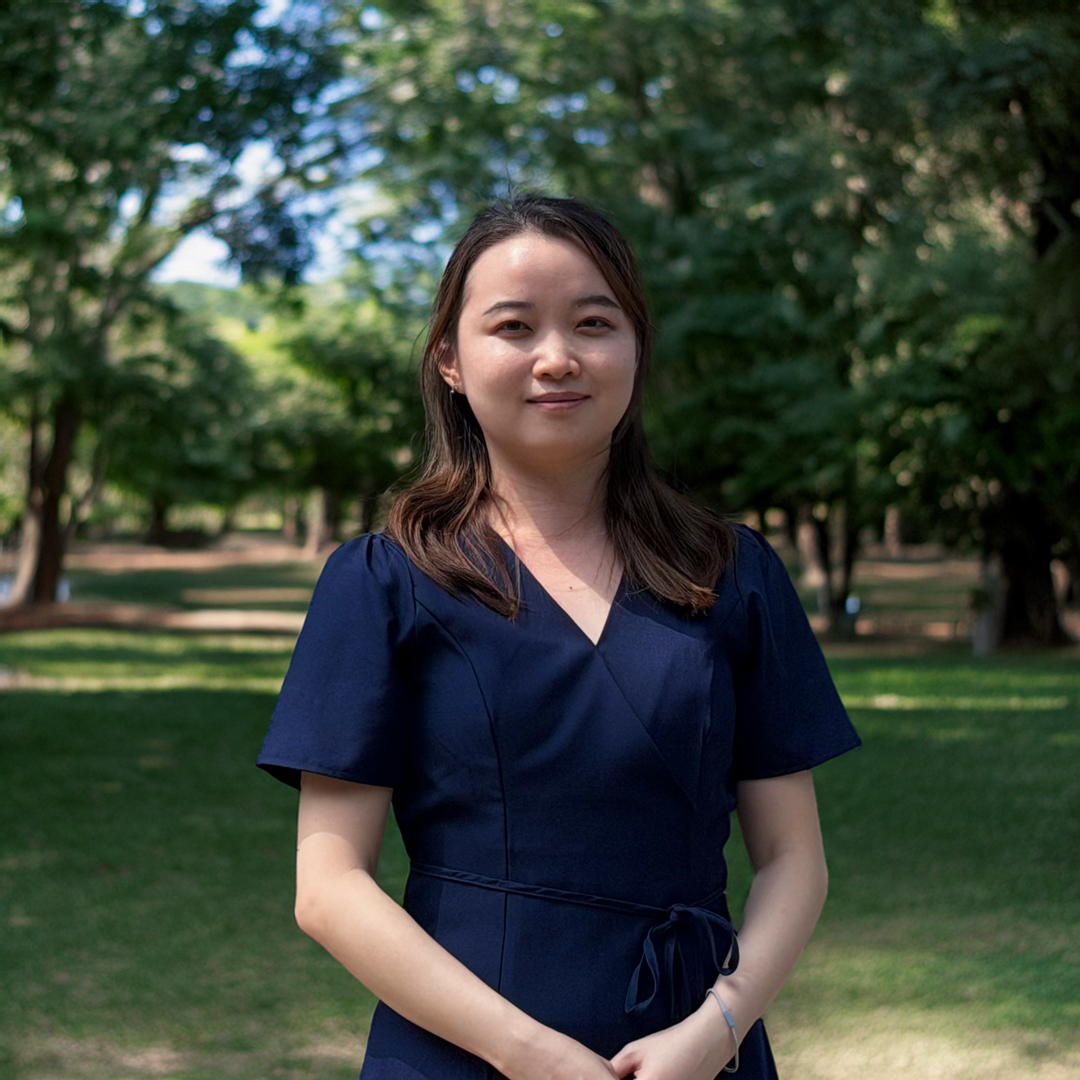
Senior Physiotherapist
4 years of experience in pain and injury management, rehabilitation
Schedule Your Consultation Today
Take the first step toward a pain-free life by scheduling a consultation with our expert team at Regis Wellness. Let us guide you on the path to relief and recovery.
Don't Let Elbow Pain Hold You Back – Trust Regis Wellness for Comprehensive Care!
Regis Wellness Katong
437 Joo Chiat Road, Singapore 427650
Near Marine Parade MRT


Mon, Tues, Thurs, Fri:
8.30am - 2.30pm
5.30pm - 10.00pm
Wed:
8.30am - 2.30pm
Sat:
9.00am - 3.00pm
Closed on Sundays and Public Holidays. For the latest updates on our clinic’s opening hours, please check our Google Maps.
** We will end registration 45 mins before the displayed closing time above. Please make an appointment in advance to avoid disappointment.
Featured In

FAQ
Accessibility & Support
Regis Wellness Katong is located at 437 Joo Chiat Road Singapore, 427650
Click here to view our opening hoursAppointment
You can book an appointment via WhatsApp here. You may also call our hotline @ +65 9851 3720 to book an appointment.
Finance
Elbow Pain Related Enquiries
The number of sessions depends on severity.
Mild conditions may require one to three sessions.
Moderate conditions may require four to eight sessions.
Chronic cases may require more sessions for full recovery.
