
Table Tennis Physiotherapy
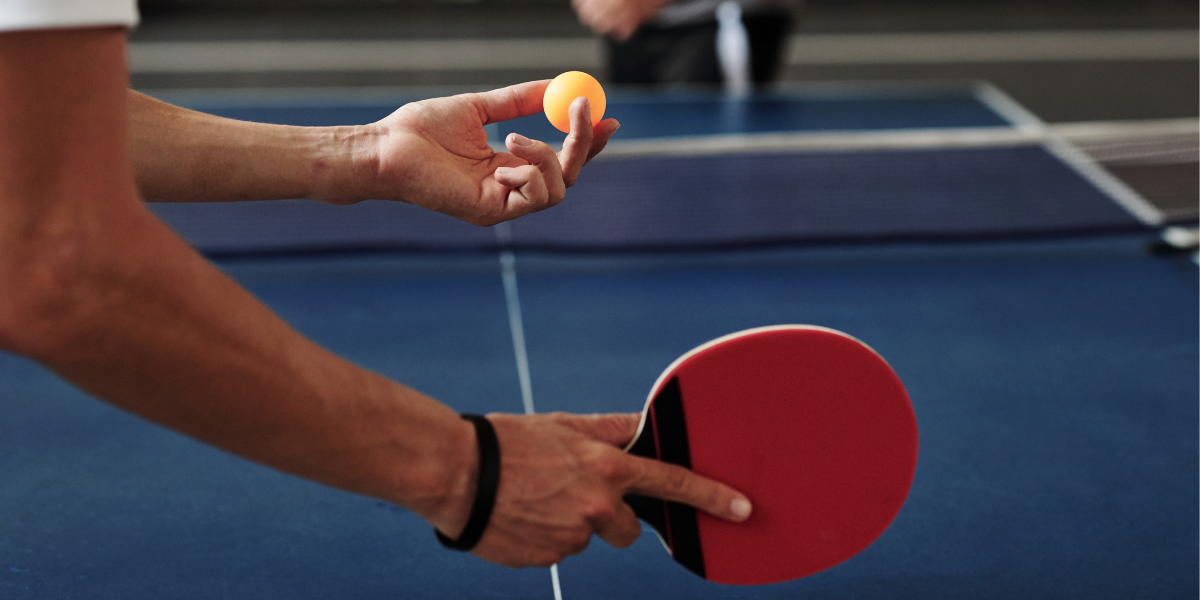
Table Tennis Physiotherapy in Singapore – Recover Faster, Move Sharper, Play Longer
Table tennis is a high-speed sport that demands rapid reactions, repetitive upper-limb movements, sustained postural control, and precise footwork. Our sports physiotherapists help table tennis players of all levels manage pain, recover from injuries, and improve performance through targeted rehabilitation and table tennis–specific movement correction.
Why Table Tennis Is Physically Demanding
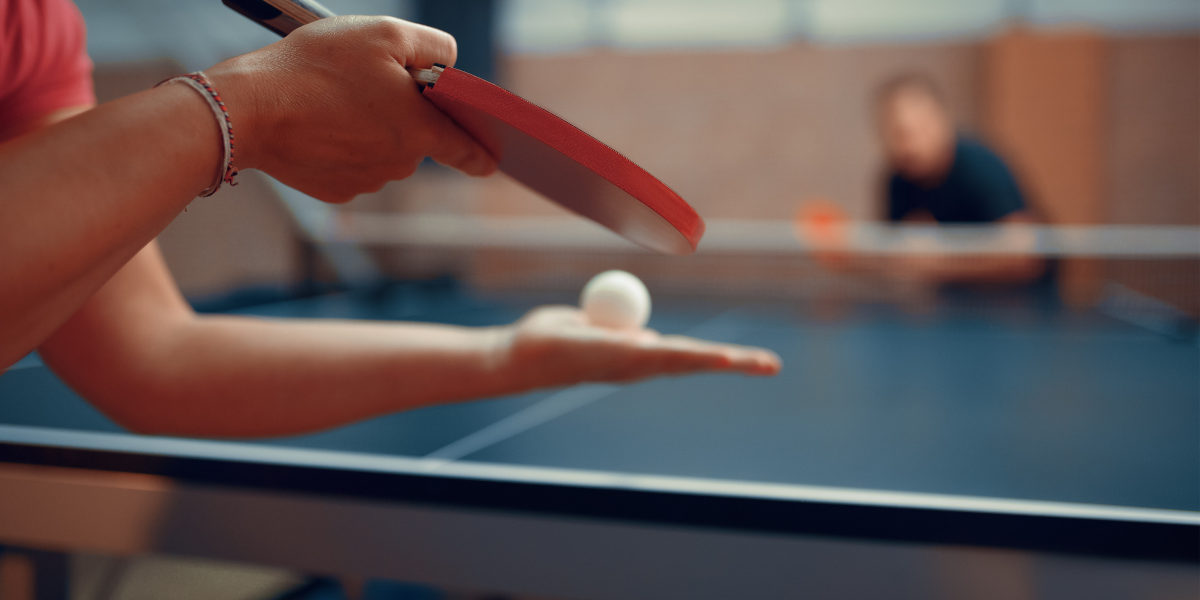
Although table tennis may appear low impact, it places significant repetitive stress on the body due to high-frequency strokes, sustained ready positions, and rapid lateral movement. Over time, these demands can overload joints, tendons, and muscles, particularly when technique, strength, or conditioning is suboptimal.
Common movement patterns that contribute to injury and performance limitations include:
- Repetitive forehand and backhand strokes overloading the elbow and wrist
- Sustained semi-squat playing posture stressing the knees and lower back
- Rapid lateral footwork challenging ankle and knee stability
- High-speed trunk rotation causing spinal and core fatigue
- Prolonged grip tension leading to forearm and wrist overuse
Understanding these mechanics allows us to design more accurate and effective table tennis–specific physiotherapy programmes.
Common Table Tennis Injuries We Treat
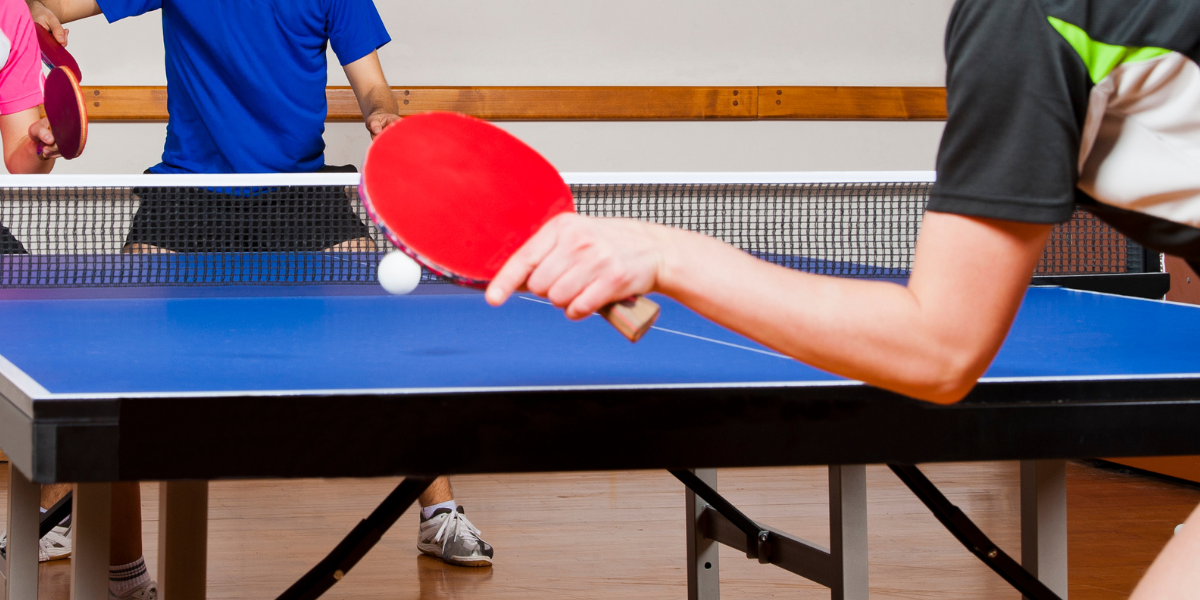
Tennis Elbow (Lateral Epicondylitis)
One of the most common table tennis injuries, caused by repetitive wrist extension and gripping during rallies, leading to outer elbow pain and reduced endurance.
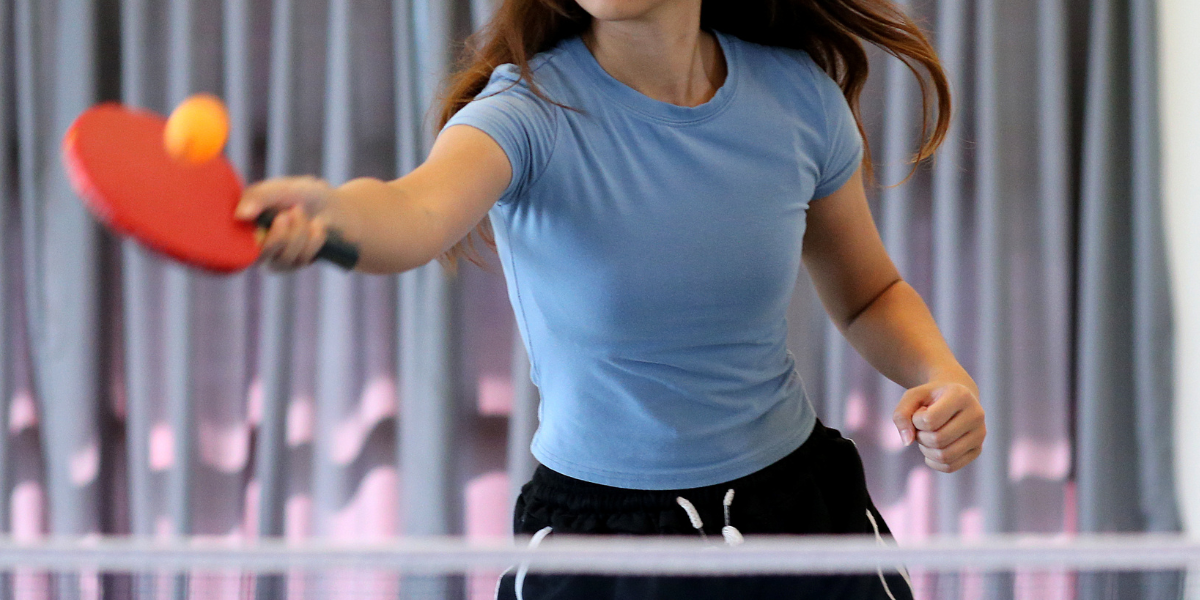
Golfer’s Elbow (Medial Epicondylitis)
Often associated with aggressive forehand topspin and wrist flicking, causing pain on the inner elbow during play and daily activities.
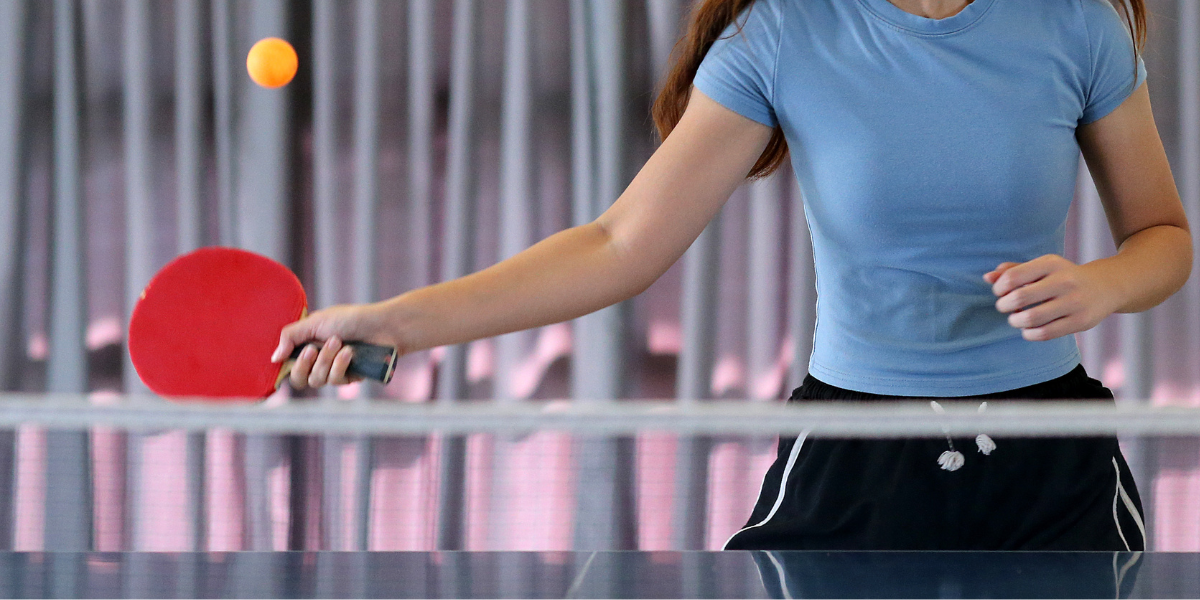
Wrist Tendinitis and Overuse Injuries
Fast wrist movements during serves, flicks, and defensive shots can irritate wrist tendons, affecting shot control and consistency.
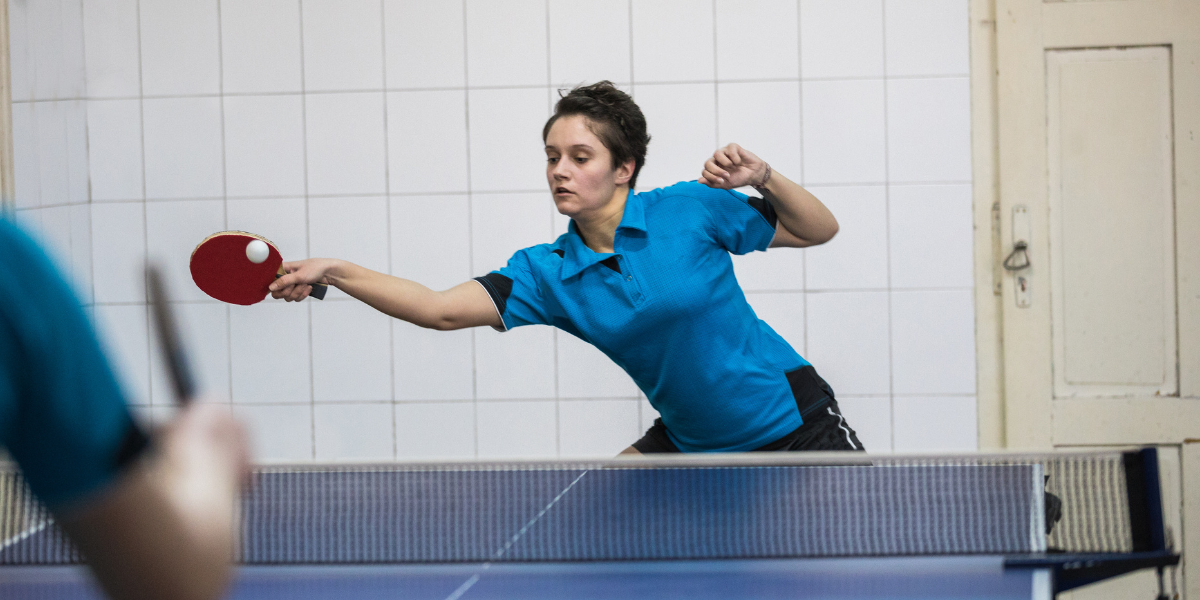
Shoulder Overuse and Rotator Cuff Strain
High-volume forehand play and poor scapular control may overload the shoulder, leading to pain, weakness, or reduced endurance.
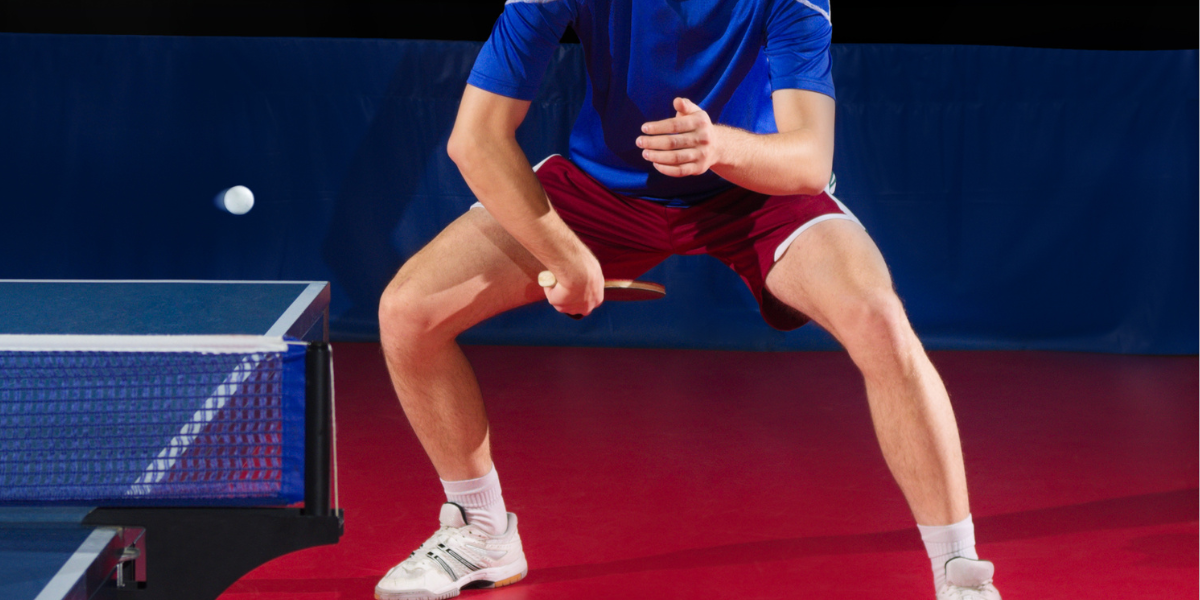
Knee Pain
Sustained bent-knee posture and lateral movement can stress knee structures, especially during long training sessions.
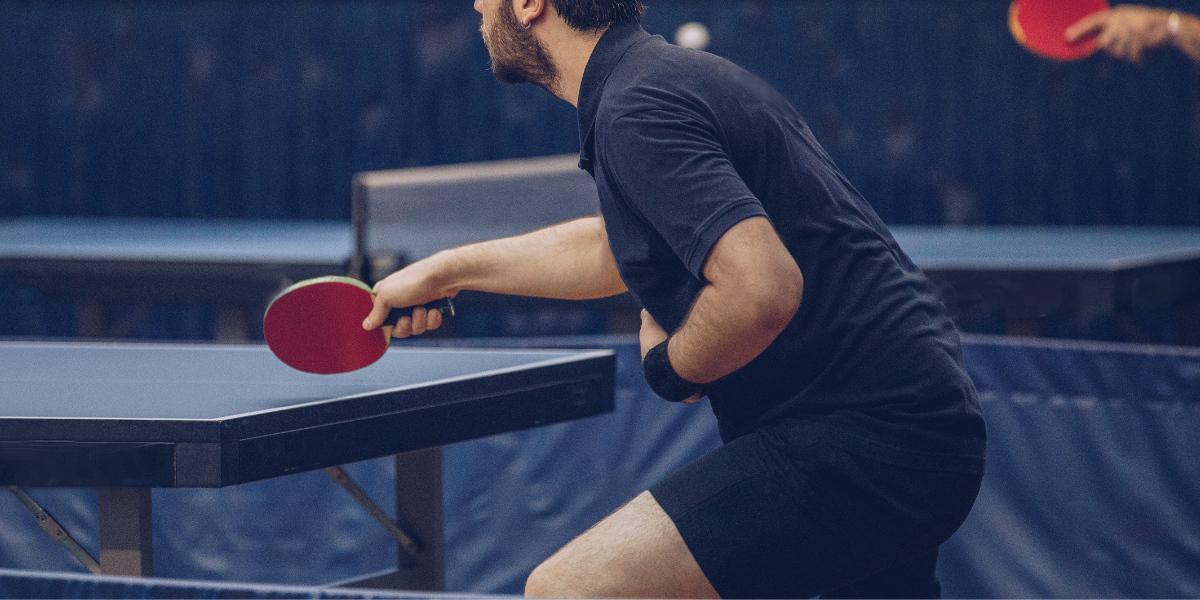
Lower Back Strain
Asymmetrical rotation and prolonged flexed posture can cause lumbar stiffness, muscle tightness, or facet joint irritation.
Table Tennis Physiotherapy Services Available
Pain Relief & Recovery (Simple)
For 1 area of pain, flare-up, and racket sports recovery.
$150 /45 Minute
Assessment & History taking (10 mins)
Manual Therapy & Modalities (25 mins)
- Sports massage
- Myofascial release
- Trigger point release
- Joint mobilisation
- Ultrasound Electrotherapy
- TENS
- Medicated heat pack
Exercise Therapy (10 mins)
- Strengthening (as tolerated)
- Stretching
- Advice on recovery/management
Pain Relief & Recovery (Complex)
For 2 areas of pain, flare-ups, and racket sports recovery.
$180 /60 Minute
Assessment & History taking (15 mins)
Manual Therapy & Modalities (30 mins)
- Sports massage
- Myofascial release
- Trigger point release
- Joint mobilisation
- Ultrasound Electrotherapy
- TENS
- Medicated heat pack
Exercise Therapy (15 mins)
- Strengthening (as tolerated)
- Stretching
- Advice on recovery/management
Performance Physiotherapy
For racket sports performance, improving stamina, muscle, and strength.
$150 /45 Minute
Sports Performance Assessment (10 mins)
- Mobility, strength & stamina
Sports Massage/Release Work (20 mins)
- Facilitates exercises
- Relieves post-exercise soreness (if any)
Exercise Therapy (10 mins)
- Strengthening
- HIIT (High-Intensity Interval Training)
- Stretching and taping advice
Education & Advice (5 mins)
- Training load, muscle function, and cardiovascular health
How Physiotherapy Supports Table Tennis Players
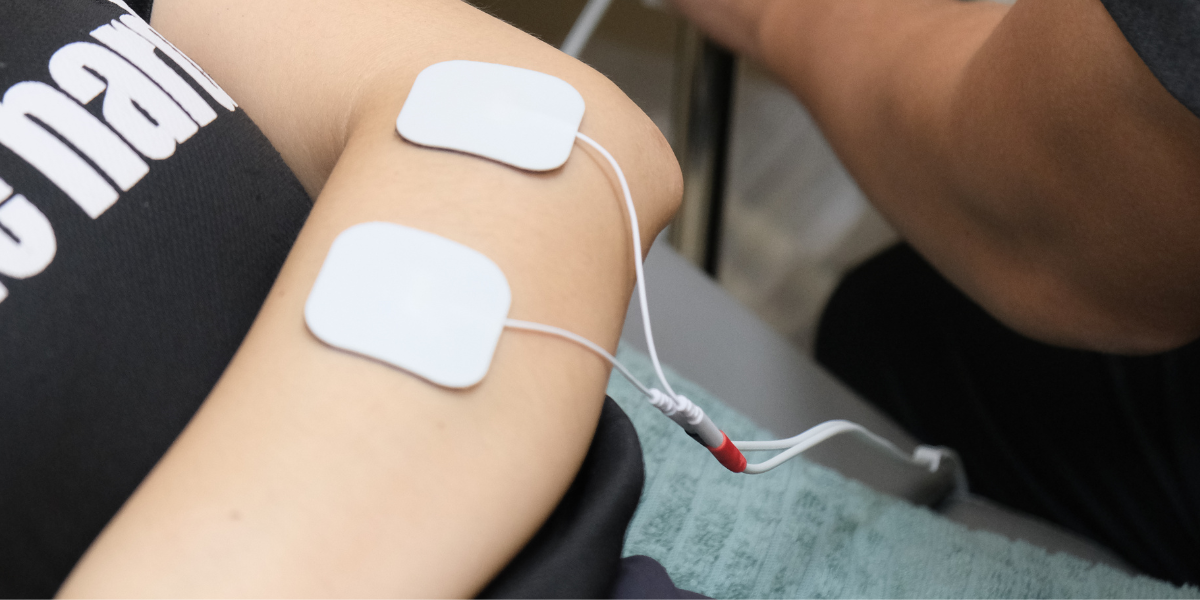
Physiotherapy supports table tennis players whether the goal is injury prevention, performance improvement, or recovery from pain.
A. Injury Prevention and Performance Enhancement
We help table tennis players reduce injury risk and improve efficiency through:
- Postural and biomechanical correction
- Strength and conditioning for upper limb endurance
- Wrist, elbow, and shoulder mobility training
- Core stability and rotational control exercises
- Lower limb strength and footwork conditioning
- Load management and recovery guidance
- Grip technique and equipment advice
These strategies reduce unnecessary strain on joints while improving speed, control, and endurance.
B. Injury Recovery and Return-to-Sport Rehabilitation
If you are injured, we help you recover safely and return to play stronger. Management may include:
- Manual therapy for joints and soft tissue
- Deep tissue massage to reduce tightness in the forearm, shoulder, neck, and upper back
- Sports massage to improve circulation and reduce fatigue from repetitive rallies
- Electrotherapy to manage pain and support muscle activation
- Joint mobilisation to restore wrist, elbow, shoulder, and spinal mobility
- Progressive strengthening to improve upper limb endurance and postural control
- Sport-specific return-to-play progression focusing on stroke repetition tolerance
- Myofascial release to address soft tissue restrictions affecting wrist and shoulder control
- Ultrasound therapy to accelerate healing of elbow, wrist, and shoulder tendons where appropriate
These are combined with rehabilitative exercises, tailored management plans, and follow-up care to ensure sustainable recovery and reduce reinjury risk.
Common Table Tennis Performance Issues Physiotherapy Can Improve
Many table tennis players experience performance limitations that are not injuries but still affect speed, consistency, and endurance.
Early Arm and Forearm Fatigue
Often caused by poor muscular endurance or excessive grip tension. Physiotherapy improves load tolerance and stroke efficiency.
Reduced Stroke Speed or Control
Limited wrist mobility, weak shoulder stability, or poor core coordination can reduce shot quality. Physiotherapy restores mobility and strength along the kinetic chain.
Poor Postural Endurance During Long Matches
Sustained ready positions can fatigue the lower back and legs. Physiotherapy improves postural endurance and spinal control.
Slow Lateral Movement and Recovery Steps
Weak hip stabilisers or inefficient footwork reduce reaction speed. Physiotherapy enhances agility and coordination.
Loss of Balance During Fast Exchanges
Reduced proprioception or core control affects stability. Physiotherapy improves balance and body awareness.
Limited Reach and Flexibility
Tight shoulders, spine, or hips restrict stroke range. Physiotherapy improves mobility for smoother movement.
Plateau in Performance Despite Regular Training
Hidden movement inefficiencies or strength imbalances may limit progress. Physiotherapy identifies and corrects these factors.
What to Expect During Your Table Tennis Physio Session
1. Comprehensive Assessment
- Table tennis–specific movement evaluation
- Stroke mechanics and footwork analysis
- Strength, mobility, and flexibility testing
- Grip technique and equipment review
- Injury history and training volume assessment
2. Personalised Treatment Plan
- Manual therapy to reduce pain and stiffness
- Joint mobilisation to restore movement
- Sports taping or bracing if required
- Strength and mobility programme tailored to you
- Home exercise plan with progressive loading
- Education on posture, technique, and recovery
3. Long-Term Prevention
- Stroke and posture refinement
- Warm-up and cool-down routines
- Training progression and recovery guidance
- Injury monitoring strategies
Meet Our Physiotherapists

Chin Yi Khern
Physiotherapist
BPT (Curtin)
Languages Spoken: English, 中文
Special Interest: Musculoskeletal conditions, Sports Medicine
Why Choose Regis Wellness Physiotherapy
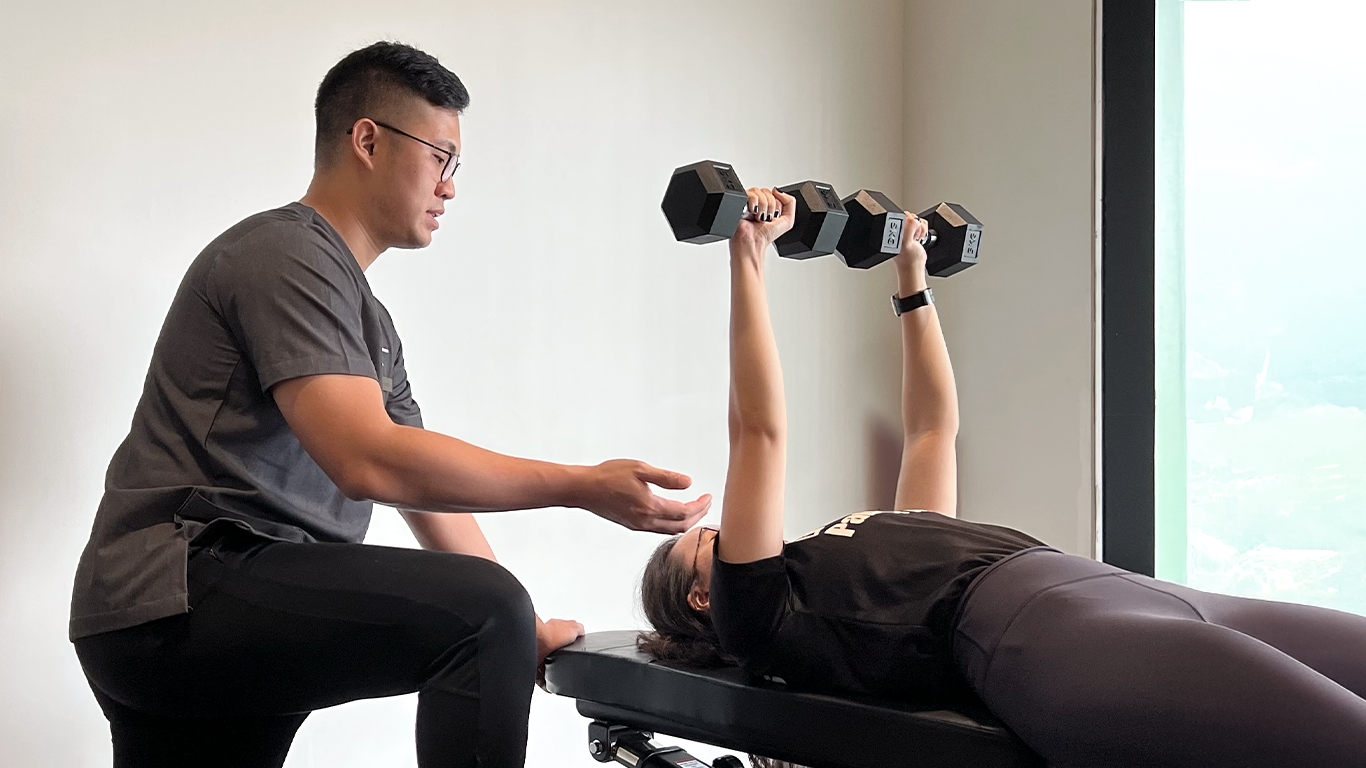
Stay Sharp. Move Better. Play Longer.
Whether you play table tennis casually or competitively, physiotherapy helps you protect your joints, improve endurance, and perform with confidence.
Locate our Physiotherapy Clinic
Regis Wellness Katong
437 Joo Chiat Road, Singapore 427650
Near Marine Parade MRT


Mon, Tues, Thurs, Fri:
8.30am - 2.30pm
5.30pm - 10.00pm
Wed:
8.30am - 2.30pm
Sat:
9.00am - 3.00pm
Closed on Sundays and Public Holidays. For the latest updates on our clinic’s opening hours, please check our Google Maps.
** We will end registration 45 mins before the displayed closing time above. Please make an appointment in advance to avoid disappointment.
