The High-Impact Nature of Squash: Injury Risks & Prevention Tips
by: Chin Yi Khern, Physiotherapist, Regis Wellness
Last updated: November 29, 2025
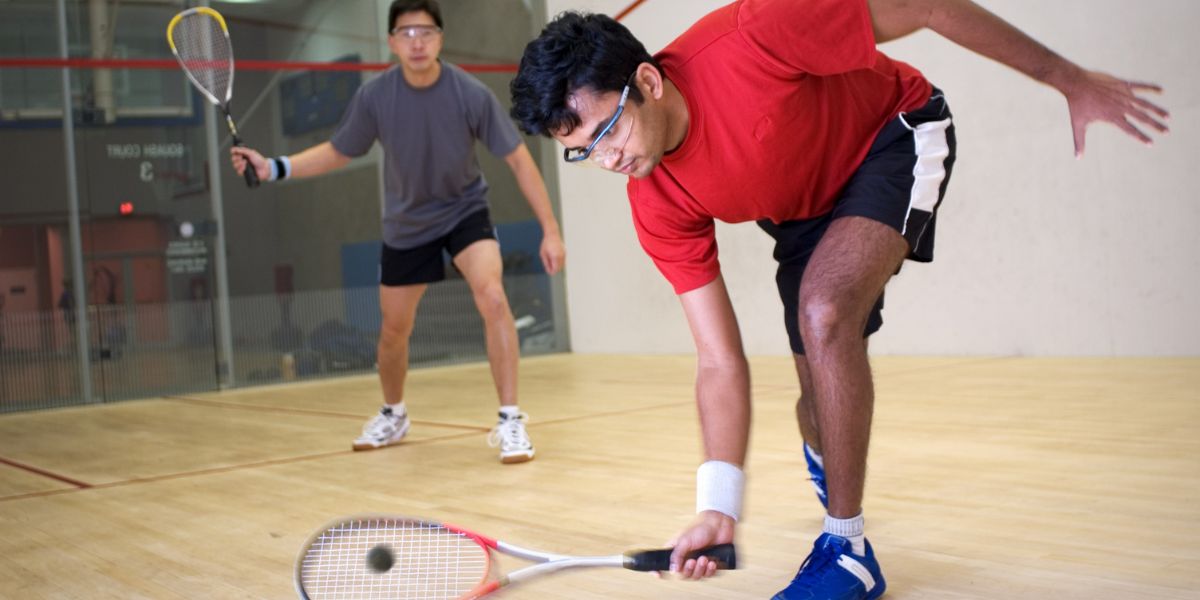
Squash is a fast-paced and highly energetic racket game that is popularly played in Singapore, particularly in indoor games and exclusive clubs. It is a great exercise for the heart and improves agility and fitness. The game of squash includes short races of sprinting and swinging of the racket, making it a preferred option for working professionals who need a full-body exercise.
However, what is not known by most players is that squash is considered a high-impact game that has a higher probability of injuries. When played in comparison to tennis or badminton, squash is played in smaller spaces with faster reflexes and more lunges and twists. This increases the pressure on the muscles and tendons, making the game more susceptible to injuries.
Manage Common Squash Injuries with Regis Wellness
High quality, effective, holistic treatment
Common Squash Injuries
Squash is a physically demanding sport that requires a lot from the upper as well as the lower body. This sport includes a lot of power movements and strokes, which result in various injuries in the ankles, knees, lower back, shoulders, and elbows.
Squash Shoulder Injuries
The shoulder is an important part of the squash game, especially when executing powerful forehand and backhand swings.
Common shoulder injuries in squash players:
- Rotator cuff tendinopathy: tendons surrounding the rotator cuff are irritated due to repetitive overhead movements in squash.
- Shoulder impingement: tendons in the shoulder are pinched, resulting in pain and decreased range of motion.
- Labral tears: cartilages surrounding the shoulder joint are injured, especially when executing forceful swings.
Excessive use of arm strength, rather than power from the legs and trunk, can put players at risk of shoulder injuries.
Constant high levels of stress can overwork your body, depleting your body’s Yang energy. Repressed emotions due to stress such as anger or worry may also disrupt energy flow, especially affecting the Liver (Yang) and Spleen (Qi/energy), causing stagnation or deficiency.
Squash Elbow Injuries
Similar to other racket sports, elbow problems also occur in squash players, as gripping is a significant aspect of this sport.
- Lateral Epicondylitis (Tennis Elbow): Pain on the lateral side of the elbow, which is a result of overuse of forearm extensor muscles.
- Medial Epicondylitis (Golfer’s Elbow): Pain on the medial side of the elbow, which is a result of repetitive use of wrist flexors and pronators.
- Grip sizes, wrist flicking, and overtraining can be some reasons for these problems.
Squash Wrist and Hand Injuries
Wrist injuries in squash are usually caused by quick grip position changes and repeated force transmission through the hand. Some of the injuries that may occur in squash include:
- Wrist tendonitis
- Ligament sprains
- Carpal tunnel syndrome, which is caused by the compression of the median nerve, leading to numbness or tingling sensation
Lower Body Injuries in Squash
The enclosed court and repetitive lunging actions make lower body injuries a frequent occurrence in squash. These include:
- Ankle sprains: due to sudden changes of direction and uneven landings, which exert a tremendous amount of stress on the ligaments of the ankle joint
- Knee injuries: including patellar tendonitis, or "jumper's knee," meniscal tears, and cartilage damage due to the frequent lunging and stopping actions
- Lower back pain: due to frequent twisting, bending, and poor core control during play
How Physiotherapy Helps Manage or Treat Common Squash Injuries
Physiotherapy supports players with knee, ankle, shoulder, elbow, or back pain from squash. Treatment targets the specific movements that cause symptoms. Key physiotherapy roles include:
- Assess footwork, lunging patterns, and rotation that place stress on joints during fast rallies.
- Identify weak or overloaded muscles linked to common issues such as patellar tendon pain, Achilles tendon pain, ankle sprains, and lower back strain.
- Reduce pain through targeted exercises and manual treatment.
- Restore mobility in the hips, ankles, and spine to improve reach and stability.
- Strengthen leg muscles, core muscles, and shoulder muscles needed for controlled strokes and rapid direction changes.
- Retrain movement so the legs and trunk support each swing and lunge.
- Guide structured return to court with clear steps for footwork drills, movement patterns, and hitting sessions.
- Provide advice on footwear, grip size, and load progression to protect joints during high speed play.
How to Prevent Common Squash Injuries
Although squash injuries are prevalent, the bright side is that many of them can be prevented with the right strategy.
Proper Warm Up
A proper warm-up is necessary before entering the squash court. This prepares the body for intense physical activity and prevents injuries by:
- Increasing blood flow to the muscles
- Elevating muscle temperatures
- Enhancing joint flexibility
- Preparing the muscles for explosive sprints, lunges, and turns
Basic squash warm-up exercises include:
- Light jogging or skipping
- Dynamic stretches for the hips, calves, shoulders, and wrists
- Sport-specific drills like shadow swings and lunges
Use Proper Technique
Poor techniques will result in a higher injury risk, especially for squash because movements are quick and repetitive. Good and efficient techniques will enable the generation of power from the legs and torso rather than from the arms and lower back. New and recreational players may need coaching to improve techniques such as:
- The swing techniques
- The footwork and court positions
- Body positions during lunges and shots
- Good techniques will not only improve performance but also prevent injuries to the joints and muscles.
Use Appropriate Equipment
Equipment also plays an important role in injury prevention:
- Racket: If the racket used is too heavy for the player or does not have a grip size that is appropriate for the player’s hand size, the player may be exposed to greater risks of injury to the wrist, elbow, and shoulder
- Footwear: Using proper squash shoes that provide adequate grip for the player will help prevent slipping and ankle sprains
It is important to invest in proper equipment for squash players, especially if you play regularly.
Staying Injury Free
Squash is a very exciting and rewarding sport, but because of its high-impact nature, injuries can happen if the right precautions are not taken. By warming up properly, using the right techniques, and selecting the right equipment, it is possible to reduce most injuries associated with squash.
If you are experiencing persistent pain or would like advice on how to prevent injuries, you may want to consider consulting a Regis Physiotherapist for a professional assessment and management plan. When you are injury-free, you can enjoy squash and perform at your best.
Manage Common Squash Injuries with Regis Wellness
Disclaimer:
The information on this website, including but not limited to, text, graphics, images, videos and all other materials contained on this website is for informational purposes only. None of the material is meant to replace a certified and registered Doctor's professional medical advice, diagnosis, and treatment.
No warranties or representations are given in respect of the medical information. Regis Wellness, Regis Wellness’s staff, and the website's operator will not be held liable if a user suffers any injury or loss after relying upon the medical information on this website.
Any devices used for technology-enhanced therapies are intended for use only for general well-being purposes or to encourage or maintain a healthy lifestyle and is not intended to be used for any medical purpose (such as the detection. diagnosis, monitoring, management or treatment of any medical condition or disease). Any health-related information provided by this device or software should not be treated as medical advice. Please consult a certified and registered Doctor for any medical advice required. As with all medical conditions, there are exceptions and nuances to individuals’ condition and treatment modalities. We aim to provide only a general understanding for each section.