Everyday Habits That Build Up Dampness and How to Fix Them
by: Amanda Chua, TCM Physician, Regis Wellness
Last updated: Febuary 26, 2026
In Traditional Chinese Medicine, dampness refers to the accumulation of excess fluids and metabolic waste in the body. It disrupts spleen function and slows energy flow. Common signs include bloating, heavy limbs, fatigue, loose stools, brain fog, and thick tongue coating.
Jump to
Dampness in the Body
Daily habits strongly influence damp accumulation. Small patterns repeated over time weaken digestion and fluid metabolism. In Singapore, it is common to find Singaporeans indulging in cold drinks, overeating during supper, consuming fried and greasy foods. Correcting these habits supports long term balance.
Treat Dampness with Regis Wellness TCM
High quality, effective, holistic treatment
Frequent Intake of Cold Drinks
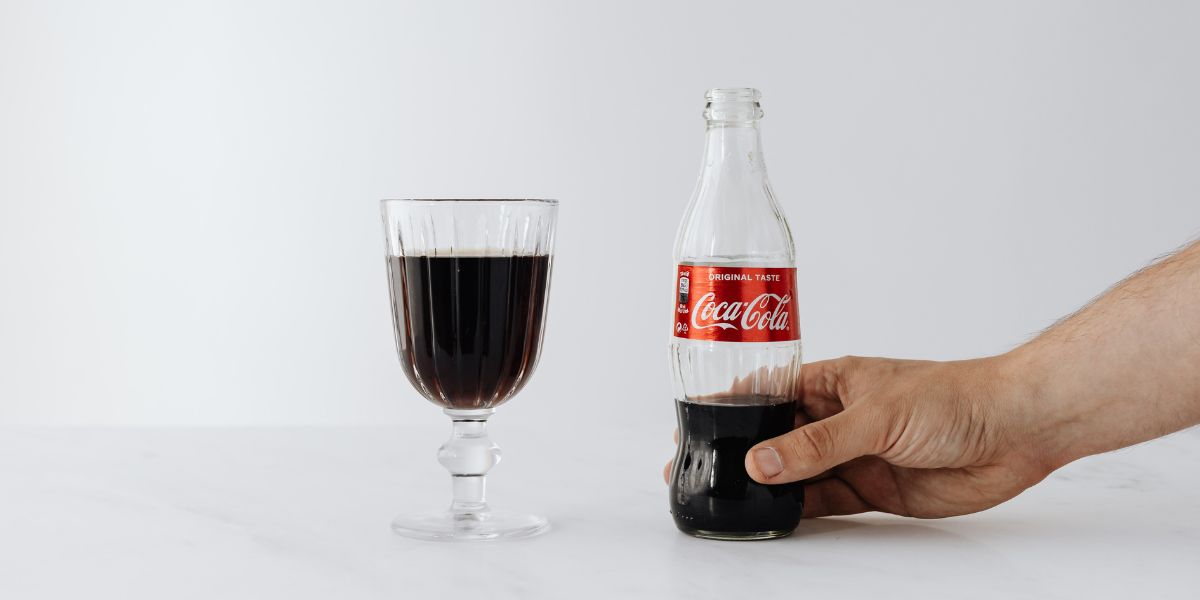
Iced coffee, bubble tea, and cold water suppress digestive warmth. The spleen requires warmth to transform fluids efficiently. Repeated exposure to cold weakens spleen yang and slows metabolism.
How to fix it:
- Choose warm or room temperature drinks
- Avoid iced beverages during meals
- Replace cold desserts with warm alternatives
Excess Sugar and Sweetened Beverages
High sugar intake burdens spleen function. Sweet, fried and greasy foods contribute to internal damp formation. Sugary drinks increase fluid retention and digestive sluggishness.
How to fix it:
- Reduce sweetened beverages
- Limit desserts to occasional intake
- Choose whole foods instead of processed snacks
Overeating Late at Night
Heavy meals close to bedtime impair digestion. Food remains stagnant and fluids are not properly transformed. This promotes damp accumulation and morning bloating.
How to fix it:
- Finish dinner at least two to three hours before sleep
- Keep evening meals lighter
- Maintain consistent meal timing
Sedentary Lifestyle
Physical movement supports qi circulation and fluid metabolism. Prolonged sitting slows circulation and encourages fluid stagnation. This contributes to heaviness and swelling.
How to fix it:
- Incorporate daily walking
- Add light strength training two to three times weekly
- Avoid prolonged sitting without breaks
Excess Dairy and Greasy Foods
Dairy products and fried foods are difficult to digest in large amounts. They weaken spleen qi and promote internal dampness.
How to fix it:
- Reduce deep fried meals
- Limit milk-based beverages
- Choose steamed or lightly cooked dishes
Excess Dairy and Greasy Foods
Dairy products and fried foods are difficult to digest in large amounts. They weaken spleen qi and promote internal dampness.
How to fix it:
- Reduce deep fried meals
- Limit milk-based beverages
- Choose steamed or lightly cooked dishes
Chronic Stress and Irregular Routine
Stress disrupts liver qi flow, which affects spleen function. Irregular sleep and meal patterns impair digestion and fluid balance.
How to fix it:
- Maintain consistent sleep schedule
- Eat meals at regular times
- Incorporate relaxation practices such as breathing exercises
How TCM Helps Treat Dampness
TCM treatment targets the root patterns that lead to fluid retention and digestive sluggishness. The focus is on improving spleen function and supporting healthy fluid movement.
Acupuncture
- Stimulates specific points to support spleen qi.
- Promotes fluid circulation to reduce heaviness and bloating.
- Supports digestive function to reduce stool irregularity.
- Helps regulate appetite and energy levels.
Diet and Lifestyle Intervention
- Supports recovery by reducing foods that slow digestion.
- Encourages warm, cooked meals to improve fluid transformation.
- Guides selection of ingredients that drain dampness and support spleen qi.
- Promotes consistent meal timing and steady eating habits.
- Reduces intake of cold drinks, sugar, and heavy meals that burden digestion.
Moxibustion
- Applies gentle heat to selected acupuncture points.
- Helps warm the spleen and improves fluid metabolism.
- Reduces cold damp patterns marked by bloating and fatigue.
- Supports circulation in the abdomen.
Gua Sha
- Improves microcirculation in targeted areas.
- Reduces muscle tension linked to sluggish digestion.
- Supports lymphatic flow to encourage fluid movement.
- Helps relieve chest or abdominal stuffiness related to damp accumulation.
TCM treatment combines these methods based on your presentation. Each method supports digestion and fluid balance while addressing the root causes of dampness.
When to Seek TCM Assessment
Persistent bloating, loose stools, water retention, or fatigue indicate deeper imbalance. Our experienced Regis TCM physicians assess your tongue, pulse, and symptom patterns before recommending herbs or suitable TCM treatment methods such as acupuncture.
Correcting cold food habits alongside structured treatment restores digestive balance and reduces recurrent dampness.
Treat Dampness with Regis Wellness TCM
Disclaimer:
The information on this website, including but not limited to, text, graphics, images, videos and all other materials contained on this website is for informational purposes only. None of the material is meant to replace a certified and registered Doctor's professional medical advice, diagnosis, and treatment.
No warranties or representations are given in respect of the medical information. Regis Wellness, Regis Wellness’s staff, and the website's operator will not be held liable if a user suffers any injury or loss after relying upon the medical information on this website.
Any devices used for technology-enhanced therapies are intended for use only for general well-being purposes or to encourage or maintain a healthy lifestyle and is not intended to be used for any medical purpose (such as the detection. diagnosis, monitoring, management or treatment of any medical condition or disease). Any health-related information provided by this device or software should not be treated as medical advice. Please consult a certified and registered Doctor for any medical advice required. As with all medical conditions, there are exceptions and nuances to individuals’ condition and treatment modalities. We aim to provide only a general understanding for each section.