Achilles Tendinitis Treatment and Prevention
by: Amanda Chua, TCM Physician, Regis Wellness
Last updated: November 29, 2025
The Achilles tendon is the largest tendon in the human body. It is prone to injuries due to the limited blood supply it receives and the forces it is subjected to in our everyday activities. Achilles tendinitis is an inflammation of the Achilles tendon. It can happen to anyone but is more prevalent in males and in the elderly.
Achilles Tendinitis in Singapore
Achilles tendinitis is common in Singapore. The number of Singaporeans who may develop Achilles tendinitis increases as the population continues to age. Sedentary lifestyles, obesity, and physical inactivity can also contribute to the risk of developing Achilles Tendinitis.
What is Achilles Tendinitis?
Achilles tendinitis is an injury to the Achilles tendon, typically the result of overuse. It is mostly seen in runners who have suddenly increased the intensity or duration of their run, putting sudden extra strain on the Achilles tendon. It is also common among people who participate in sports on an irregular basis.
Symptoms of Achilles Tendinitis
Swelling, irritation and inflammation occurs when you have Achilles tendinitis. Symptoms of Achilles tendinitis include:
- Pain in your heel
- Pain in your ankle
- Swelling in the area where pain is experienced
- Discomfort in the back of your heel
- Stiffness and soreness in the Achilles tendon
- Weakness in one or both legs
If left untreated, symptoms of pain may worsen and become severe.
Risk Factors for Achilles Tendinitis
Achilles tendinitis is a common sports injury. Risk factors for Achilles tendinitis include:
- Participating in sports or physical activities involving quick starts and stops.
- Running or dancing
- Occupations that put stress on your feet and ankles, usually involving hard labour.
- Participating in sports on an irregular basis, which results in the body being less accustomed to stress.
- Tight or weak calf muscles
- Bone spur
- Flat arches
Complications of Achilles Tendinitis
Achilles tendinitis is rarely severe and can go away on its own after 2 or 3 months. However, Achilles tendinitis can be associated with a rupturing of the Achilles tendon, a medical emergency which may require specialist treatment and possibly surgery.
Diagnosing Achilles Tendinitis
To diagnose Achilles tendinitis, your doctor or physiotherapist will conduct a physical examination. They will attempt to find out the location of pain, tenderness or swelling. Bone spurs will also be checked for. In addition, the flexibility, range of motion and reflexes of your foot and ankle will be assessed. They will also need to rule out the possibility of an Achilles tendon rupture.
In certain cases, in which a physical examination is insufficient, imaging tests, such as an X-ray, Ultrasound or MRI (Magnetic Resonance Imaging) will be required to accurately assess your condition.
Preventing Achilles Tendinitis
Achilles tendinitis is a common injury that can happen to anyone, making it difficult to avoid. However, there are some steps that you can take to reduce your risk:
Increase your physical activity level progressively
Allow your body to slowly get accustomed to the intensity of your activity. This is especially important if you are a beginner or have not exercised regularly for an extended period of time.
Pick shoes that fit
Shoes support your feet and are especially important when it comes to sports. Wearing a pair of shoes that fit you well can help you avoid unnecessary injuries, additional strains and relieve tension in your Achilles tendon.
Stretching
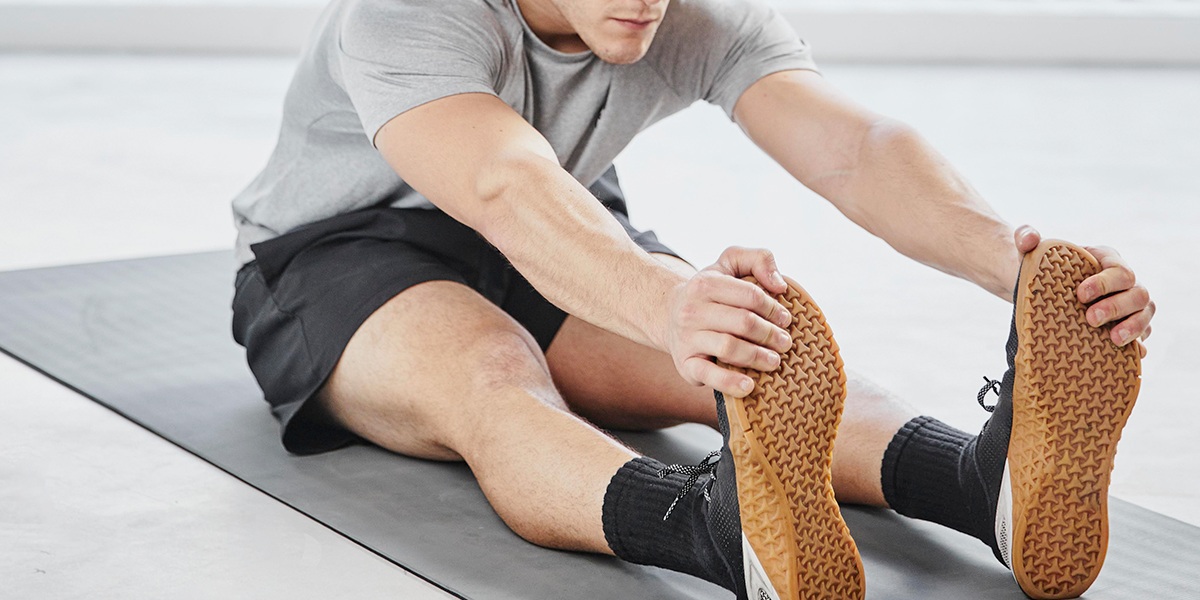
Improving the flexibility of your Achilles tendons can go a long way in preventing Achilles tendinitis.
Strengthen your calf muscles
Stronger calf muscles will help to reduce the strain put on your Achilles tendons as well as making them more resistant.
Warm up properly before exercising
This will help prevent injuries that could potentially weaken your Achilles tendons.
Treatment Methods for Achilles Tendinitis
Achilles tendinitis can generally be treated using nonsurgical methods. It may take a few months for the symptoms of pain to fully disappear. Treatment methods for Achilles tendinitis include:
RICE Method:
- Rest. Give your injured tendons time to rest and recover. If you want to remain physically active, opting for low-impact activities that put less stress on your Achilles tendon should be considered.
- Ice. Putting ice against your injured tendon for up to 20 minutes at a time can help with relieving pain.
- Compression. Compressing, or putting pressure on the tendon using surgical tape or an athletic wrap can help support the injured tendon and aid the recovery process.
- Elevation. Elevating your feet while lying down can help to reduce swelling.
It is important to protect your injured tendon so as to ensure that the injury is not aggravated. In very severe cases, Achilles tendinitis can lead to the rupturing of the tendon, which will require surgery and a long period of recovery.
- As much as possible, avoid straining the Achilles tendon. This can be done by avoiding walking up steep inclines that would put excess pressure on the tendons.
- Supportive shoes, heel lifts and custom orthotics can help to protect your Achilles tendon. Avoid walking barefoot if possible.
- Using a split at night to help your Achilles tendon remain stretched while sleeping can help aid recovery.
Physiotherapy for Achilles Tendinitis
Physiotherapy plays a vital role in treating Achilles tendinitis by reducing pain and inflammation while restoring tendon strength, flexibility, and normal movement. This is essential for active individuals and athletes who need to return to walking, running, jumping, or sports safely and confidently.
The recovery timeline varies depending on the severity of the condition, ranging from a few weeks for mild cases to several months for more persistent tendinopathy. A structured physiotherapy program is crucial to prevent chronic issues, recurrent flare-ups, or long-term tendon weakness.
Treatment is typically divided into phases, with each stage focusing on specific goals and techniques:
- Early Phase – Pain, Swelling & Mobility
- Cold Therapy to reduce pain and manage swelling
- Ultrasound Therapy to promote tissue healing, improve circulation, and reduce inflammation
- Electrotherapy or TENS Therapy to relieve pain, decrease muscle spasms, and support early recovery
- Gentle range of motion exercises for the ankle to maintain mobility without overloading the tendon
- Manual therapy techniques such as myofascial release, deep tissue massage, and soft-tissue mobilisation to reduce tension in the calf and surrounding tissues
- Strengthening & Load-Management Phase
- Eccentric and concentric calf strengthening exercises (e.g., heel drops) to stimulate tendon healing and improve load tolerance
- Intrinsic foot muscle strengthening to support the arch and reduce strain on the tendon
- Strength and Conditioning programs designed to enhance overall lower-leg strength and improve biomechanics
- Sports Massage and Myofascial Trigger Point Therapy to release tight calf muscles and address trigger points contributing to tendon overload
- Balance and proprioception training to improve ankle stability and prevent re-injury
- Advanced Functional & Return-to-Sport Phase
- Progressive functional strengthening such as step-downs, lunges, and single-leg exercises
- Plyometric training (e.g., hopping, light jumping, skipping) introduced when appropriate to improve tendon elasticity and power
- Running retraining and gait correction if needed
- Sport-specific strengthening and drills for activities such as running, football, basketball, or jumping sports
- Sports Injury Management to ensure proper load progression and prevent recurrence
Our physiotherapist will monitor your progress closely throughout each phase, adjusting your program and ensuring safe technique and appropriate loading. With consistent treatment and adherence to your exercise plan, physiotherapy can significantly improve tendon health, relieve pain, and support a strong, confident return to daily activities or sport.
TCM for Achilles Tendinitis
Traditional Chinese Medicine (TCM) offers a holistic approach to managing Achilles tendinitis by aiming to restore balance in the body, relieve pain, and support tissue healing. TCM may be used alongside physiotherapy to address both the local tendon irritation and the underlying imbalances that contribute to recurring pain and stiffness.
The duration of TCM treatment varies depending on the severity and chronicity of the condition. Some individuals may notice improvements within a few sessions, while others with longer-standing tendinopathy may require a more extended course of care. Treatment is typically tailored to the individual and may include a combination of acupuncture, cupping, herbal support, and lifestyle advice.
TCM approaches for Achilles tendinitis can be grouped into different treatment focuses:
- Symptom Relief & Pain Management
- Acupuncture involves inserting fine needles into specific acupuncture points along the meridians to regulate Qi (vital energy) and blood flow. This can help reduce pain, calm inflammation, and improve circulation around the Achilles tendon.
- Cupping therapy uses gentle suction on the skin to increase local blood flow, ease muscle tension, and promote the removal of stagnation. It may help relieve tightness and discomfort in the calf and Achilles region.
- In some cases, topical herbal liniments or patches may be recommended to support local pain relief and improve circulation around the tendon.
- Tendon Healing & Circulation Support
- Selected acupuncture point combinations may be used to strengthen the affected meridians, promote tissue repair, and support the body’s natural healing response.
- Cupping along the calf muscles and lower leg can help reduce muscle tightness that places additional stress on the Achilles tendon.
- Where appropriate, your TCM practitioner may recommend Chinese herbal formulations (taken orally or applied externally) aimed at nourishing tendons, improving circulation, and resolving dampness or cold that may be contributing to pain and stiffness.
- Maintenance, Balance & Recurrence Prevention
- Follow-up acupuncture sessions may be used at longer intervals to maintain balance, support ongoing tendon health, and reduce the likelihood of flare-ups.
- Our TCM physicians may provide lifestyle and dietary advice based on TCM principles, such as keeping the area warm, avoiding overuse, and choosing foods that support circulation and tissue healing.
- When combined with a structured physiotherapy and strengthening program, TCM can form part of a comprehensive plan to improve function, support long-term tendon health, and help prevent recurrence.
In some cases, your doctor may also prescribe nonsteroidal anti-inflammatory drugs (NSAIDs) to help relieve pain, especially in the early stages. These medications can be used alongside TCM and physiotherapy when appropriate, under medical guidance.
Manage Achilles Tendinitis Pain with Regis Wellness Physiotherapy and TCM
Get regular updates from Regis Wellness!
Subscribe to our email newsletter and stay updated with the latest health topics and tips to manage your health and wellness.
Disclaimer:
The information on this website, including but not limited to, text, graphics, images, videos and all other materials contained on this website is for informational purposes only. None of the material is meant to replace a certified and registered Doctor's professional medical advice, diagnosis, and treatment.
No warranties or representations are given in respect of the medical information. Regis Wellness, Regis Wellness’s staff, and the website's operator will not be held liable if a user suffers any injury or loss after relying upon the medical information on this website.
Any devices used for technology-enhanced therapies are intended for use only for general well-being purposes or to encourage or maintain a healthy lifestyle and is not intended to be used for any medical purpose (such as the detection. diagnosis, monitoring, management or treatment of any medical condition or disease). Any health-related information provided by this device or software should not be treated as medical advice. Please consult a certified and registered Doctor for any medical advice required. As with all medical conditions, there are exceptions and nuances to individuals’ condition and treatment modalities. We aim to provide only a general understanding for each section.
“Achilles Tendinitis.” Achilles Tendinitis - Diagnosis and Treatment, Mayo Foundation for Medical Education and Research, 30 Sept. 2021, https://www.mayoclinic.org/diseases-conditions/achilles-tendinitis/diagnosis-treatment/drc-20369025.
“Achilles Tendinitis.” Achilles Tendinitis - Symptoms and Causes, Mayo Foundation for Medical Education and Research, 30 Sept. 2021, https://www.mayoclinic.org/diseases-conditions/achilles-tendinitis/symptoms-causes/syc-20369020.
“Achilles Tendinitis.” Achilles Tendinitis: Achilles Tendon Pain, Treatment, Cleveland Clinic, 5 Dec. 2021, https://my.clevelandclinic.org/health/diseases/21553-achilles-tendinitis.
“Achilles Tendinitis.” Achilles Tendinitis: Treatment for Heel Pain and Symptoms, Healthline Media, 23 Dec. 2021, https://www.healthline.com/health/achilles-tendinitis.
Hawks, Matthew Kendall. “Successful Treatment of Achilles Tendinopathy with Electroacupuncture: Two Cases.” Medical acupuncture vol. 29,3 (2017): 163-165. doi:10.1089/acu.2017.1232
Mazzone, Michael F, and Timothy McCue. “Common conditions of the achilles tendon.” American family physician vol. 65,9 (2002): 1805-10.
Petrie, Tim. Physical Therapy Exercises for Achilles Tendinitis, Verywell Health, 25 Oct. 2021, https://www.verywellhealth.com/pt-exercises-for-achilles-tendinitis-5202656.
Poon, Cheryl, and Beng Kooi Lim. Achilles Tendinopathy (Achilles Tendon Pain): Diagnosis and Treatment, HealthXchange, https://www.healthxchange.sg/bones-joints/knee-ankle-feet/achilles-tendinopathy-diagnosis-treatment-options.
Poon, Cheryl, and Beng Kooi Lim. Achilles Tendinopathy (Achilles Tendon Pain): Symptoms And Causes, HealthXchange, https://www.healthxchange.sg/bones-joints/knee-ankle-feet/achilles-tendinopathy-symptoms-causes.