
Physiotherapy for Knee Pain

Physiotherapy for Runner’s Knee, Meniscus Tear, Ligament Injury & More
Knee pain on the stairs, after a run, or since a twist on the court? At Regis Wellness, our Physiotherapy Clinic provide complete, minimally invasive care for knee pain and injuries.
We find out which structure is causing it, treat it hands-on, and give you a strength plan that gets you back to walking, squatting and sport without the knee giving way.
Physiotherapy Price
Pain Relief & Recovery (Simple)
For 1 area of pain, flare-up, and post-workout/exercise recovery.
Assessment & History taking (10 mins)
Manual Therapy & Modalities (25 mins)
- Sports massage
- Myofascial release
- Trigger point release
- Joint mobilisation
- Ultrasound Electrotherapy
- TENS
- Medicated heat pack
Exercise Therapy (10 mins)
- Strengthening (as tolerated)
- Stretching
- Advice on recovery/management
Pain Relief & Recovery (Complex)
For 2 areas of pain, flare-ups, and post-workout/exercise recovery.
Assessment & History taking (15 mins)
Manual Therapy & Modalities (30 mins)
- Sports massage
- Myofascial release
- Trigger point release
- Joint mobilisation
- Ultrasound Electrotherapy
- TENS
- Medicated heat pack
Exercise Therapy (15 mins)
- Strengthening (as tolerated)
- Stretching
- Advice on recovery/management
Performance Physiotherapy
For sports performance, improving stamina, and muscle development.
Sports Performance Assessment (10 mins)
- Mobility, strength & stamina
Sports Massage/Release Work (20 mins)
- Facilitates exercises
- Relieves post-exercise soreness (if any)
Exercise Therapy (10 mins)
- Strengthening
- HIIT (High-Intensity Interval Training)
- Stretching and taping advice
Education & Advice (5 mins)
- Training load, muscle function, and cardiovascular health
Common Symptoms of Knee Pain and Injury
- Pain going up or down stairs, or after sitting for a long time
- Swelling, clicking, locking or a feeling that the knee might give way
- Pain on the inner or outer edge of the knee after twisting
- Stiffness in the morning that eases as you move
- Pain that stops you running, squatting or kneeling
If any of these sound familiar, physiotherapy is usually the right first step.
Knee Conditions We Treat
Runner's Knee (Patellofemoral Pain Syndrome)
An ache around or behind the kneecap, worse with stairs, squatting and running. It usually comes from how load passes through the kneecap, so treatment focuses on hip and thigh strength and changes to training.
The meniscus is the cushion between your thigh and shin bones. A tear often follows a twist, or develops with age, and causes pain along the joint line, swelling, and sometimes catching or locking. Many meniscus tears settle without surgery through strengthening and a gradual return to activity. If your knee locks and will not straighten, see a doctor first.
ACL and Ligament Injury
A pop, rapid swelling and a knee that feels unstable after a twist or landing. We rehab ligament sprains, prepare you before ACL surgery, and guide the months of rehab after it.
Iliotibial (IT) Band Syndrome
Overuse or repetitive friction of the IT band against the side of the knee, common in runners. Causes pain on the outer side of the knee, often worsening with activity.
Jumper's Knee (Patellar Tendinitis)
Pain just below the kneecap with jumping, running or squatting. Tendons need progressive loading, not rest alone, to recover.
Knee Osteoarthritis
Wear-and-tear changes that cause stiffness, aching and swelling, most often after 50. Exercise is the most effective non-surgical treatment: stronger muscles take load off the joint. We build a programme you can keep up.
When To Seek Treatment for Knee Pain?
Knee pain is one of the most common musculoskeletal issues, especially among active individuals, athletes, and those with joint degeneration. While mild discomfort may improve with rest, persistent symptoms should be evaluated early to prevent worsening injury.
You should seek treatment if you experience:
- Pain lasting more than 1 week - Ongoing knee pain may indicate ligament injury, cartilage damage, or chronic inflammation.
- Swelling or stiffness in the knee joint - Persistent swelling may suggest inflammation, fluid buildup, or internal injury such as a meniscus tear.
- Pain when walking, climbing stairs, or exercising - Discomfort during movement may indicate joint instability or muscle imbalance.
- Knee instability or “giving way” - A feeling of the knee buckling may suggest ligament injury or weakness in supporting muscles.
- Clicking, locking, or reduced range of motion - These symptoms may indicate structural issues such as meniscus injury or joint restriction.
Early treatment can help reduce pain, restore mobility, and prevent long-term joint damage.
When to See a Doctor First
See a doctor or go to A&E if:
- Your knee is locked and cannot straighten
- You cannot put weight on the leg
- The knee swelled within an hour or two of an injury, it is hot and red with fever, or your calf is swollen and painful.
Need a doctor's assessment or a scan? Our sister clinic Regis Medical GP Clinic can arrange one.
How We Assess Your Knee
We ask how it started and what you need to get back to, then check swelling, movement, strength and the ligaments and meniscus with specific tests. We watch you squat, step and balance. You leave the first session knowing what is wrong, what we will do, and how long it should take.
Physiotherapy for Knee Pain
Our physiotherapy clinic provides evidence-based rehabilitation programmes designed to relieve knee pain, restore mobility, and strengthen surrounding muscles.
Whether your discomfort is due to arthritis, ligament strain, or sports injury, our physiotherapists tailor each session to your needs using proven techniques such as ultrasound therapy, deep tissue massage, and manual therapy to reduce inflammation, restore flexibility, and promote faster healing.
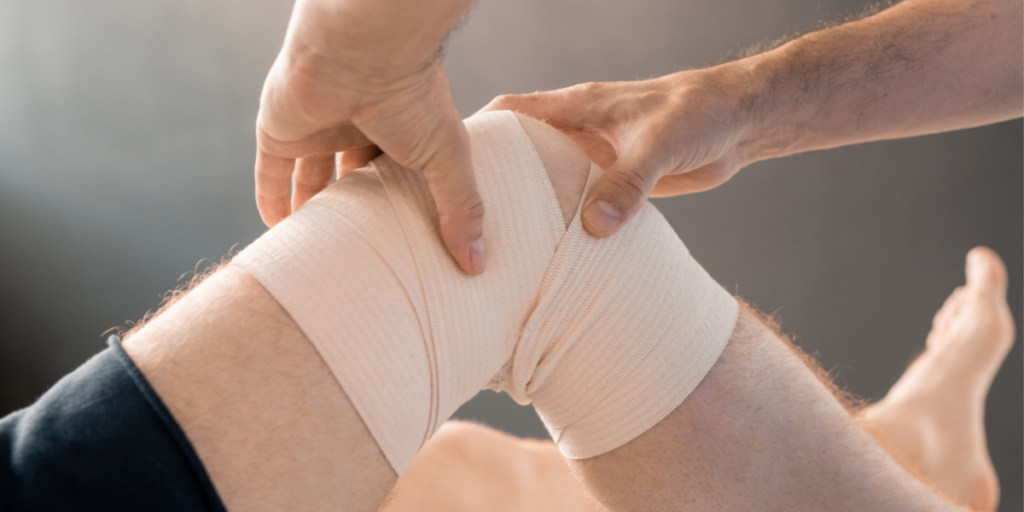
How Physiotherapy Helps Knee Pain
- Runner’s Knee / Jumper’s Knee - We take load off the irritated tendon or kneecap, then rebuild quadriceps and glute strength so the knee tracks and absorbs force better. Most people keep training in modified form throughout.
- Meniscus Tear - Gentle mobilisation first, to get the knee fully straightening and bending. Then progressive strengthening, and balance work to restore the control you need to pivot and land.
- Ligament Tear / ACL Rehabilitation - Stage-based rehab through quadriceps, hamstrings and hip stabilisers, with balance training to rebuild your sense of where the joint is in space. Whether or not you have had surgery.
- IT Band Syndrome - Soft-tissue work and foam-rolling technique to settle the outer knee, then hip and core strengthening to take the tension off it.
- Knee Osteoarthritis - Exercise is the most effective non-surgical treatment available. We find a level you can sustain, add heat and joint mobilisation for comfort, and build from there.
Physiotherapy Treatments for Knee Pain
- Joint mobilisation - Hands-on techniques to restore movement when the knee is stiff after injury or surgery.
- Deep tissue massage - Releases tight quadriceps, hamstrings and calves that pull on the knee joint.
- Hot and cold therapy - For knee swelling and stiffness, whether acute or long-standing.
- Ultrasound therapy - Used alongside exercise in the early painful stage, not in place of it.
- Strength and conditioning - The part that holds the result: knee strengthening and balance work you keep up at home.
- Taping and bracing - Short-term relief while the strength work takes effect, not a treatment on its own.
Knee Pain from Sports
Jumping, pivoting, and impact load the knee hard. Our sports physiotherapy programmes are designed to specifically target knee pain and discomfort experienced during running, basketball, football, tennis, badminton, and pickleball.
Combining sports injury management, hands-on treatment and strength work so you can get back to the sport.
- Relieve pain and stiffness during and after activity
- Improve muscle balance and joint stability
- Enhance mobility, coordination, and flexibility
- Reduce inflammation and promote tissue recovery
- Prevent recurring ligament or meniscus injuries
Whether you are recovering from an injury, managing chronic knee pain, or looking to improve your athletic performance, our physiotherapy approach provides personalised care to help you move confidently, recover fully, and stay active pain-free.
What You Can Do Today
- Keep moving within comfort; complete rest weakens the knee.
- Avoid activities that put pressure on the knee for now.
- Avoid deep squats and kneeling until it settles.
- Use ice or a compression sleeve if it is swollen.
TCM Integration for Knee Pain
Both Traditional Chinese Medicine (TCM) and Physiotherapy are effective treatments for knee pain, but they work in complementary ways.
TCM (Acupuncture, Cupping, Gua Sha)
- Helps reduce inflammation and swelling naturally
- Improves blood circulation and Qi flow
- Relieves muscle tension and joint stiffness
- Supports joint healing and recovery
Combined Approach (Best Outcomes)
For many patients in Singapore, combining both treatments provides optimal results:
- TCM reduces inflammation and relieves pain
- Physiotherapy rebuilds strength and stability
- Together, they provide a long-term solution for knee pain and prevent recurrence
Our TCM physicians treat knee pain in the same clinic, and many patients combine both. This approach is especially effective for sports injuries, arthritis, and chronic knee conditions.
Why Choose Us
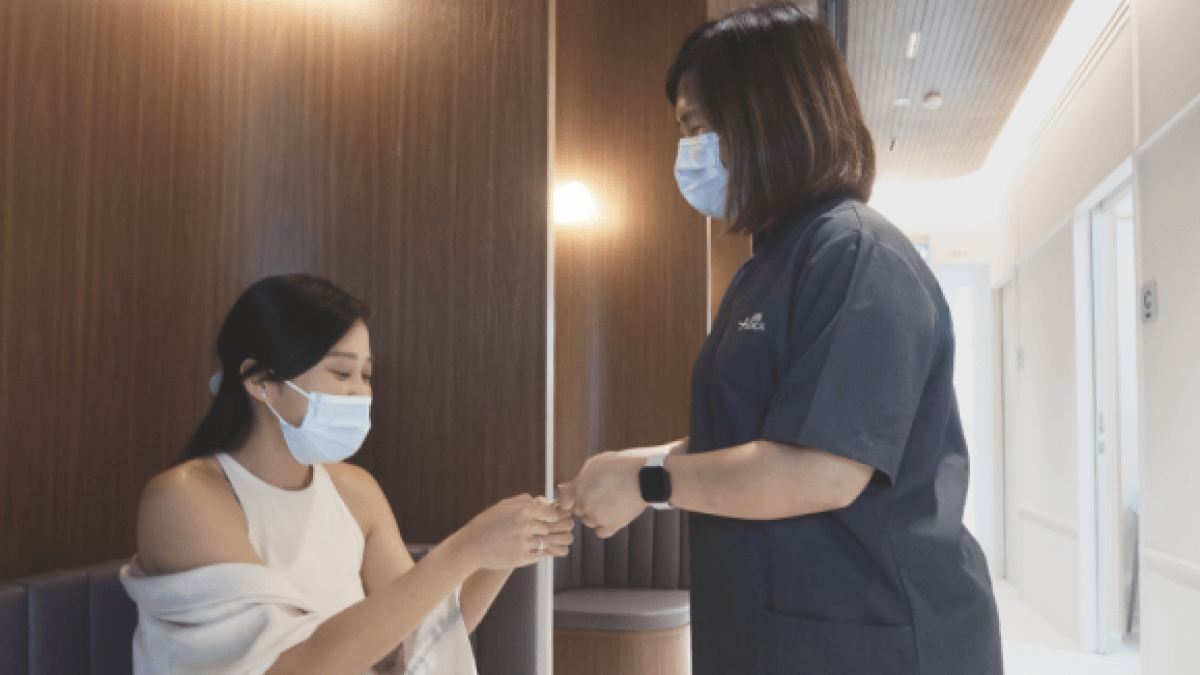
Knee pain often benefits from both modalities working together. TCM addresses inflammation, circulation, and tissue stagnation around the joint, while physiotherapy rebuilds muscle support, corrects movement patterns, and addresses biomechanical causes. Regis Wellness is one of the few clinics in Singapore offering integrated TCM and physiotherapy under one roof. For complex injuries like meniscus tears, ACL recovery, runner's knee, and chronic osteoarthritis, combined care often delivers faster, more lasting relief than either modality alone.
Knee rehabilitation often runs long, from 8 weeks for runner's knee to several months for post-surgical ACL recovery. We charge per session, not per package, because we don't think you should pay upfront for sessions you may not need. You decide cadence with your practitioner based on how your knee responds. No commitments, no upselling, no pressure.
Our TCM physicians are TCMPB-registered with combined training in Traditional Chinese Medicine and Biomedical Sciences from leading institutions including Beijing University of Chinese Medicine, Guangzhou University of Chinese Medicine, and NTU. Our physiotherapist is AHPC-registered. The result is knee care grounded in both clinical credibility and evidence-aware practice.
Knee pain disrupts walking, sleep, and the activities you enjoy. Our clinic is designed for unhurried, quiet sessions in private treatment rooms. Many patients describe their visits as the most restful part of their week. Healing happens better when treatment isn't rushed.
Our Team of Pain & Injury Specialists

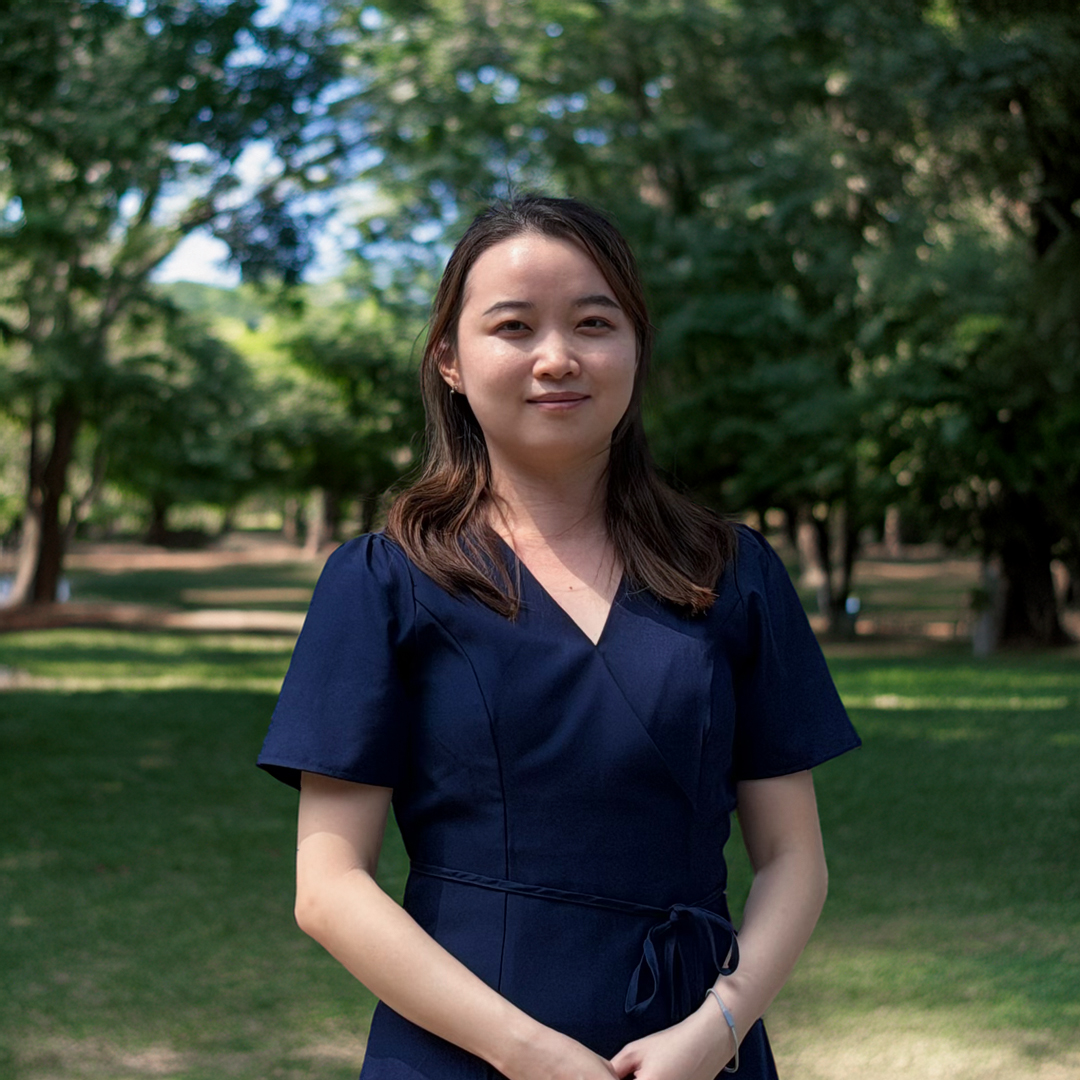
Senior Physiotherapist
4 years of experience in pain and injury management, rehabilitation



Schedule Your Consultation Today
Take the first step toward a pain-free life by scheduling a consultation with our expert team at Regis Wellness. Let us guide you on the path to relief and recovery.
Don't Let Knee Pain Hold You Back – Trust Regis Wellness for Comprehensive Care!
Regis Wellness Katong
437 Joo Chiat Road, Singapore 427650
Near Marine Parade MRT


Mon, Tues, Thurs, Fri:
8.30am - 2.30pm
5.30pm - 10.00pm
Wed:
8.30am - 2.30pm
Sat:
9.00am - 3.00pm
Closed on Sundays and Public Holidays. For the latest updates on our clinic’s opening hours, please check our Google Maps.
** We will end registration 45 mins before the displayed closing time above. Please make an appointment in advance to avoid disappointment.
Featured In

FAQ
Accessibility & Support
Regis Wellness Katong is located at 437 Joo Chiat Road Singapore, 427650
Click here to view our opening hoursAppointment
You can book an appointment via WhatsApp here. You may also call our hotline @ +65 9851 3720 to book an appointment.
Finance
Knee Pain Related Enquiries
The number of sessions depends on severity.
Mild conditions may require one to three sessions.
Moderate conditions may require four to eight sessions.
Chronic or severe cases may require more sessions.
Mild knee pain may improve with rest, but conditions such as ligament injuries, meniscus tears, or arthritis can worsen without treatment. If symptoms persist, professional care is recommended.
