How to Prevent Shoulder and Elbow Injuries in Badminton
by: Chin Yi Khern, Physiotherapist, Regis Wellness
Last updated: Febuary 6, 2026
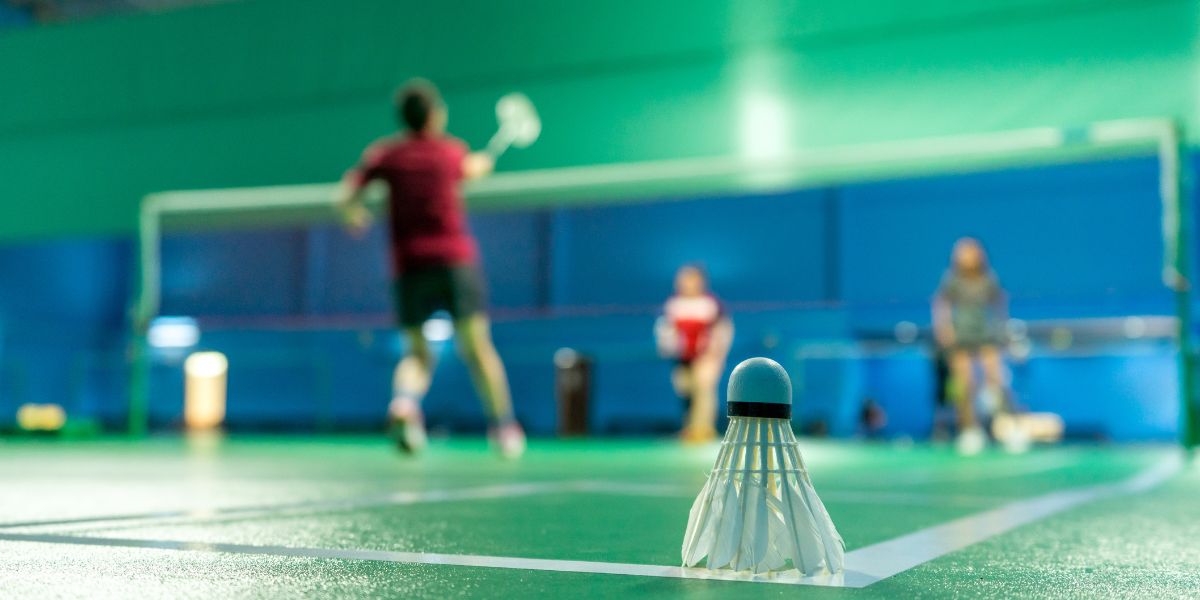
Badminton ranks among the most played racket sports in Singapore. Players include students, working adults, and older adults. Games take place in schools, community centres, and indoor sports halls. Badminton demands speed, coordination, and repeated overhead actions. Smashes, clears, and fast drives place high load on the shoulder and elbow. Repetition without control raises injury risk. Shoulder and elbow injuries appear frequently among recreational and competitive players. Prevention focuses on preparation, technique, and load control.
Manage Shoulder and Elbow Badminton Injuries with Regis Wellness
High quality, effective, holistic treatment
Why Shoulder and Elbow Injuries Occur in Badminton
The shoulder and elbow absorb repeated force during overhead swings. Poor mechanics increase joint stress. High training volume without recovery worsens tissue strain. Common contributing factors include:
- Repeated overhead smashing
- Arm dominant swing patterns
- Sudden increase in training intensity/frequency
Players who rely mainly on arm power instead of utilising the whole body (trunk rotation/leg drive) are more prone/susceptible to higher stress loads on the shoulder and elbow.
Common Shoulder and Elbow Injuries in Badminton
Badminton Shoulder Injuries
The shoulder performs repeated overhead motions throughout a match. Poor control during these movements raises injury risk. Common shoulder injuries include:
- Rotator cuff tendinopathy from repetitive overhead swinging
- Shoulder impingement with pain during arm elevation
- Labral tears linked to forceful or poorly controlled swings
Badminton Elbow Injuries
The elbow transfers force from the shoulder to the racket. Repetitive gripping, wrist action and inappropriate grip sizes can overload forearm muscles. Common elbow injuries include:
- Lateral epicondylitis with pain on the outer elbow
- Medial epicondylitis with pain on the inner elbow
How to Prevent Shoulder and Elbow Injuries in Badminton
Proper Warm Up
A structured warm up prepares muscles and joints for high speed play. Warm tissue handles load more efficiently during rallies. Warm up benefits include:
- Improved blood flow to shoulder and forearm muscles
- Increased joint mobility
- Better control during overhead actions
Effective warm up activities include:
- Light jogging or skipping
- Dynamic shoulder circles and wrist movements
- Shadow swings with controlled speed
Use Efficient Swing Technique
Poor technique shifts excessive load to the shoulder and elbow. Efficient movement distributes force across the whole body. Key technique principles include:
- Use leg drive and trunk rotation during smashes
- Maintain relaxed grip pressure during swings
- Avoid excessive wrist flicking under fatigue
Effective coaching support can help you improve your movement efficiency and reduce joint overload.
Maintain mobility of supporting muscles
Targeted strength training supports joint stability and mobility. Stronger muscles can better absorb load during repeated swings. Focus areas may include:
- Rotator cuff and shoulder blade stabilisers
- Forearm flexors and extensors
- Core and lower limb muscles for force transfer
Suitable strength training performed two to three times per week can help with injury prevention during badminton.
Manage Training Load
Sudden spikes in playing time increase injury risk. Gradual progression allows tissue adaptation. Load management strategies include:
- Increase session duration slowly
- Schedule rest days between intense sessions
- Reduce smash volume during periods of shoulder or elbow discomfort
Use Appropriate Equipment
Equipment selection influences joint stress. Poor fit raises injury risk. Important considerations include:
- Racket weight matched to strength level
- Grip size allowing relaxed hand contro
- Regular grip replacement to maintain traction
How Physiotherapy Helps With Injury Management or Treatment
Physiotherapy supports players with shoulder or elbow pain. Treatment targets the source of the problem and guides safe return to play. Key physiotherapy roles include:
- Assess movement patterns that place stress on the shoulder and elbow.
- Identify weak or overloaded muscles that affect swing control.
- Reduce pain through targeted exercises and manual treatment.
- Restore shoulder and elbow mobility needed for overhead swings.
- Strengthen rotator cuff, shoulder blade muscles, and forearm muscles.
- Retrain swing mechanics so the whole body shares the load.
- Guide gradual return to training with clear load targets.
- Provide advice on grip size and equipment fit to protect the joints.
Physiotherapy supports both acute and long term injury management. Early input reduces downtime and improves confidence during high speed play.
Staying Injury Free
Badminton rewards speed and precision. Repetition without preparation increases shoulder and elbow strain. Consistent warm up routines, sound technique, strength training, and suitable equipment reduce injury risk.
Persistent shoulder or elbow pain may signal a need for professional input. A review with a certified physiotherapist can help support early management and long term joint health.
Manage Shoulder and Elbow Badminton Injuries with Regis Wellness
Disclaimer:
The information on this website, including but not limited to, text, graphics, images, videos and all other materials contained on this website is for informational purposes only. None of the material is meant to replace a certified and registered Doctor's professional medical advice, diagnosis, and treatment.
No warranties or representations are given in respect of the medical information. Regis Wellness, Regis Wellness’s staff, and the website's operator will not be held liable if a user suffers any injury or loss after relying upon the medical information on this website.
Any devices used for technology-enhanced therapies are intended for use only for general well-being purposes or to encourage or maintain a healthy lifestyle and is not intended to be used for any medical purpose (such as the detection. diagnosis, monitoring, management or treatment of any medical condition or disease). Any health-related information provided by this device or software should not be treated as medical advice. Please consult a certified and registered Doctor for any medical advice required. As with all medical conditions, there are exceptions and nuances to individuals’ condition and treatment modalities. We aim to provide only a general understanding for each section.