How Physiotherapy Improves Speed, Agility & Endurance for Squash PlayersHow Physiotherapy Improves Speed, Agility & Endurance for Squash PlayersHow Physiotherapy Improves Speed, Agility & Endurance for Squash PlayersHow Physiotherapy Improves Speed, Agility & Endurance for Squash Players
  • About Us
    • Our Story
    • Our Team
  • Services
    • TCM
      • Acupuncture
      • Cupping
      • Moxibustion
      • GuaSha
      • Paediatric Tui Na
      • Facial Acupuncture
      • Facial Gua Sha
      • Herbal Medicine
      • Fertility Treatments
    • Physiotherapy
      • Ultrasound Therapy
      • Electrotherapy
      • Hot and Cold Therapy
      • Sports Injury Management
      • Post-Surgical Rehab
      • Sports Physio
    • Clinical Massage
      • Deep Tissue Massage
      • Sports Massage
      • Myofascial Trigger Point Therapy
      • Joint Mobilisation Therapy
  • Pain Management
    • Neck Pain
    • Shoulder Pain
    • Back Pain
    • Elbow Pain
    • Wrist Pain
    • Hand Pain
    • Knee Pain
    • Ankle Pain
    • Foot Pain
    • Arthritis
    • Heel Pain
  • Wellness
    • Fertility
    • IVF and IUI
    • Menopause
    • Period cramp
    • Gastro-Intestinal
    • Post COVID Conditions
    • Insomnia
    • Stress Relief
    • Immunity support
    • Detox
    • Yang Deficiency
    • Yin Deficiency
  • Injuries & Conditions
  • Careers
  • Find Us
    • Katong
  • About Us
    • Our Story
    • Our Team
  • Services
    • TCM
    • Physiotherapy
    • Clinical Massage
  • Pain Management
    • Neck Pain
    • Shoulder Pain
    • Back Pain
    • Elbow Pain
    • Wrist Pain
    • Hand Pain
    • Knee Pain
    • Ankle Pain
    • Foot Pain
    • Arthritis
    • Heel Pain
  • Wellness
    • Fertility
    • IVF and IUI
    • Menopause
    • Period cramp
    • Gastro-Intestinal
    • Post COVID Conditions
    • Insomnia
    • Stress Relief
    • Immunity support
    • Detox
    • Yang Deficiency
    • Yin Deficiency
  • Injuries & Conditions
  • Careers
  • Find Us
    • Katong
✕
Categories
  • Injuries
  • Preventive Care & Wellness
Tags

How Physiotherapy Improves Speed, Agility & Endurance for Squash Players

by: Chin Yi Khern, Physiotherapist, Regis Wellness

Last updated: Febuary 6, 2026

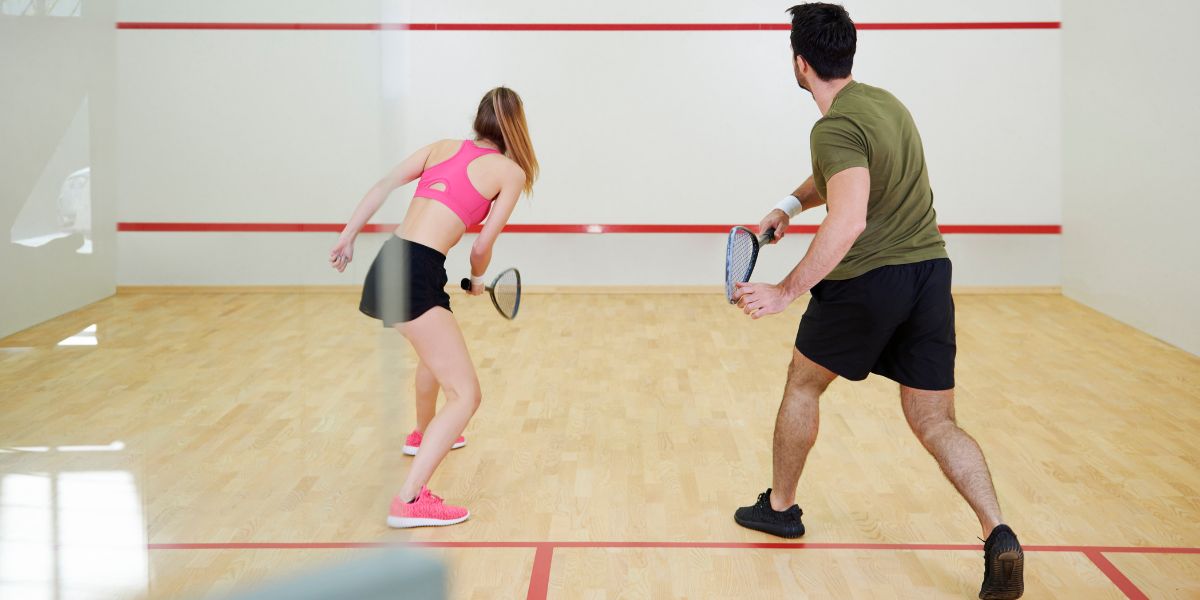
Squash is a highly competitive racket sport that is popularly played in Singapore and is very accessible since you can even play it alone. This highly competitive sport requires explosive speed, quick changes of direction, and long rallies that challenge physical and mental endurance.

Squash is a highly efficient way for many working professionals to get a full-body workout in a short period of time. However, because it is a highly competitive and physically demanding sport, squash can cause a lot of stress on the muscles, joints, and cardiovascular system, especially when not conditioned properly, resulting in poor performance or injury. This is where physiotherapy for squash players comes in, not only in treating injury but also in improving speed, agility, and endurance on court.
Jump to

  • Physical Demands of Squash
  • How Physio Helps
How Physiotherapy Improves Speed, Agility & Endurance for Squash Players

Enhance Squash Performance with Regis Wellness

High quality, effective, holistic treatment

Book a consultation

Physical Demands of Squash

Squash is very demanding, requiring the player to perform repeated high-intensity movements in a confined environment. This creates stress on the body’s various systems. The major physical demands of squash include:

  • Powerful speed in sprinting and shot recovery
  • Agility in quick direction changes, lunges, and pivots
  • Endurance to sustain performance over a significant period of time in long rallies and matches
  • Core stability to facilitate twisting, bending, and powerful shots in squash

Physiotherapy works on these demands by training and improving movements in the body.

How Physiotherapy Enhances Squash Performance

Physiotherapy is most likely related with injury rehabilitation. However, physiotherapy is also very important in performance enhancement for squash players.

Improving Speed

Squash speed is not only running fast but includes running with effective movement and proper acceleration and deceleration. Physiotherapy improves speed in squash by:

  • Increasing strength in the lower limbs, especially in the calf muscles, quadriceps, and gluteal muscles.
  • Increasing joint mobility in the hip, knee, and ankle joints.
  • Increasing effective movement skills to decrease unnecessary movement when running.
  • This way, the player is able to reach the ball in time and recover fast when moving.

Improving Agility and Footwork

Agility is an important aspect of squash, as players are constantly required to change direction according to the position of the ball. Physiotherapy exercises may include:

  • Agility training exercises that involve lateral movement and rapid direction change
  • Proprioceptive training to enhance balance and kinaesthetic awareness
  • Strengthening exercises to build the muscles involved in joint stabilization in the ankle, knee, and hip joints
  • Improved agility enables squash players to move effectively around the squash court without the fear of slipping, falling, or injuring their joints.

Building Endurance

Squash games can be physically demanding, and players need to make long-term efforts during the game. Low endurance can cause fatigue, which can lead to injury during the game. Physiotherapy can help improve physical endurance in the following ways:

  • Designing sport-specific physical training programs
  • Improving muscle endurance in the legs, shoulders, and torso
  • Improving cardiovascular efficiency through exercise progression

Injury Prevention Through Physiotherapy 

In addition to the physical performance benefits, physiotherapy is also important in the prevention of injuries among squash players. Physiotherapists can assist squash players in the following ways:

  • Identifying muscle and movement inefficiencies
  • Improving flexibility and range of motion
  • Improving the strength of areas such as the shoulders, knees, ankles, and lower back
  • This will help you in the prevent injuries when playing squash.

Individualised Physiotherapy for Squash Players

The physical demands of each squash player are unique and depend on the style of play, level of experience, and history of injuries. Physiotherapy programs are designed to meet the individual needs of each squash player. The physiotherapy programs are designed to focus on the following aspects:

  • Analysis of movement and functional testing
  • Specific strength and conditioning work
  • Education regarding recovery techniques

These physiotherapy programs are designed to ensure improvements in the speed, agility, and endurance of squash players.

Performing at Your Best on the Court

Squash, being a very challenging and rewarding game, demands more than just regular playing to achieve the highest level of performance. Physiotherapy, in this case, assists squash players to achieve better movement, better performance, and longer playing hours by improving their speed, agility, and endurance, as well as reducing the chances of injury.

If you are interested in improving your squash performance, or have nagging aches and pains that seem to accompany you to the squash court, consider consulting a Regis Physiotherapist to have a thorough assessment and physiotherapy programme designed to assist you in playing squash to the highest level and performing optimally, match after match.

Enhance your Squash Performance with Regis Wellness

Whatsapp
Call

Get regular updates from Regis Wellness!
Subscribe to our email newsletter and stay updated with the latest health topics and tips to manage your health and wellness.

Subscribe

Disclaimer:

The information on this website, including but not limited to, text, graphics, images, videos and all other materials contained on this website is for informational purposes only. None of the material is meant to replace a certified and registered Doctor's professional medical advice, diagnosis, and treatment.

No warranties or representations are given in respect of the medical information. Regis Wellness, Regis Wellness’s staff, and the website's operator will not be held liable if a user suffers any injury or loss after relying upon the medical information on this website.

Any devices used for technology-enhanced therapies are intended for use only for general well-being purposes or to encourage or maintain a healthy lifestyle and is not intended to be used for any medical purpose (such as the detection. diagnosis, monitoring, management or treatment of any medical condition or disease). Any health-related information provided by this device or software should not be treated as medical advice. Please consult a certified and registered Doctor for any medical advice required. As with all medical conditions, there are exceptions and nuances to individuals’ condition and treatment modalities. We aim to provide only a general understanding for each section.


Related posts

The Most Common Badminton Injuries
09/02/2026

The Most Common Badminton Injuries


Read more
Common Tennis Injuries and How to Prevent Them with Regis Wellness
03/02/2026

Common Tennis Injuries and How to Prevent Them


Read more
Squash Injury Risks & Prevention Tips from Regis Wellness Physiotherapy
03/02/2026

The High-Impact Nature of Squash: Injury Risks & Prevention Tips


Read more

About Author

Yi Khern Chin

Physiotherapist
Regis Wellness

Relevant Services

Physiotherapy

Wrist Pain

Elbow Pain

Hand Pain

Jump to

  • Physical Demands of Squash
  • How Physio Helps

About Regis Wellness

  • Our Story
  • Our Team
  • Partners
  • Terms & Conditions
  • Privacy Policy

Contact Us

Services

  • TCM
  • Physiotherapy

Career


Find Us

  • Regis Wellness Katong

Follow Us

Care Newsletter

  • Stay healthy with Regis

  • No translations available for this page