TCM Post-Surgery Recovery
Heal and Strengthen with TCM Treatments Personalised for You
First Consult from $55 (Subsequently $35)
Treatments from $65 per session
No packages or hard selling - we keep things simple.
Recovering from surgery can be a challenging journey, often involving pain, fatigue, and reduced mobility. At Regis Wellness TCM Clinic, our Traditional Chinese Medicine (TCM) post-surgery recovery treatments in Singapore are designed to complement your doctor’s care and support your body’s natural healing process. Through acupuncture, cupping, moxibustion, gua sha, and herbal medicine, TCM helps reduce discomfort, accelerate recovery, and restore balance so you can regain strength with confidence.
Why Consider TCM for Post-Surgery Recovery?
While surgery can address medical conditions effectively, the recovery process often comes with lingering issues such as pain, stiffness, weakness, and stress. TCM takes a holistic approach, addressing both the symptoms and the root imbalances that may slow down recovery. By supporting circulation, strengthening immunity, and improving energy flow (Qi), TCM can help patients heal more efficiently and restore vitality after surgery.
Benefits of TCM Post-Surgery Treatments
Pain Relief and Inflammation Reduction - Acupuncture and cupping therapy can help alleviate post-surgical pain by improving blood circulation and reducing swelling.
Faster Healing and Tissue Repair - Improved circulation enhances oxygen and nutrient delivery to the surgical site, speeding up the body’s natural repair processes.
Reduced Scar Tissue Formation - Acupuncture and gua sha can minimise adhesions and stiffness, promoting smoother tissue recovery.
Immune System Support - Herbal medicine and moxibustion help strengthen the immune system, lowering the risk of post-operative infections.
Energy and Vitality Restoration - Post-surgery fatigue is common. TCM therapies restore Qi flow, helping patients regain strength, stamina, and emotional balance.
Better Sleep and Stress Management - Acupuncture calms the nervous system, reducing anxiety and improving sleep quality, both vital for optimal healing.
Types of Surgeries TCM Can Support
TCM post-surgery care can benefit patients recovering from a wide range of procedures, including:
- Orthopaedic surgeries (knee, hip, shoulder, spinal procedures)
- Sports injury repairs (ligament, tendon, cartilage surgeries)
- Abdominal surgeries (appendix, gallbladder, hernia)
- Gynaecological surgeries (C-section, fibroid removal, hysterectomy)
- Cardiovascular or thoracic procedures (in consultation with your doctor)
Our treatments are always customised to your condition, recovery timeline, and doctor’s recommendations.
The Singapore Context: Why Post-Surgery Recovery Matters
In Singapore, the demand for surgical procedures such as joint replacements, sports injury repairs, and C-sections is rising due to an ageing population, active lifestyles, and increasing healthcare access. Many patients report challenges such as prolonged pain, reliance on painkillers, and slower than expected recovery. TCM offers a safe, natural, and complementary option to enhance recovery outcomes and reduce reliance on medication, making it an increasingly popular choice among patients in Singapore.
Our Post-Surgery TCM Therapies
At Regis Wellness, we provide a range of natural and holistic therapies carefully tailored to support patients during their post-surgery recovery. Each treatment is selected based on the type of surgery, your current health condition, and recovery goals. By combining traditional techniques with modern understanding, our TCM physicians help reduce discomfort, improve healing outcomes, and restore strength more effectively.
Acupuncture for Post-Surgery Recovery
Acupuncture is one of the most widely used TCM therapies after surgery. By stimulating specific acupoints, it helps to:
- Reduce post-surgical pain without relying heavily on painkillers
- Improve blood circulation to accelerate wound healing and tissue repair
- Relieve numbness, tingling, or nerve pain that may occur after surgery
- Regulate energy (Qi) flow to restore balance and reduce fatigue
- Support emotional well-being by easing anxiety and restlessness during recovery
Acupuncture is particularly effective for joint replacements, abdominal surgeries, and nerve-related conditions where pain and stiffness are common.
Cupping Therapy
Cupping involves using suction to gently lift the skin and underlying tissues, which is highly beneficial for patients in rehabilitation. It helps to:
- Increase blood flow around surgical sites (avoiding fresh wounds) to promote faster healing
- Relieve tightness in surrounding muscles caused by immobility or compensation after surgery
- Reduce stiffness in joints, making it easier to regain mobility
- Improve lymphatic drainage, helping the body clear toxins and reduce swelling
Cupping is especially useful for patients recovering from orthopaedic or musculoskeletal surgeries such as knee, shoulder, or spinal procedures.
Moxibustion
Moxibustion uses the warming properties of mugwort herb (moxa) to provide deep, soothing heat to the body. After surgery, it can:
- Relieve pain and stiffness caused by cold accumulation in the joints or muscles
- Stimulate blood and Qi circulation to promote faster tissue repair
- Strengthen overall vitality and reduce fatigue
- Enhance digestion and appetite, which are often affected during the recovery phase
Moxibustion is particularly effective for elderly patients or those with slower healing responses, as it helps restore warmth, energy, and strength.
Gua Sha for Scar Tissue & Mobility
Gua Sha therapy involves gentle scraping of the skin with a smooth-edged tool to stimulate healing. In post-surgery care, it is used cautiously and only after wounds have closed. Benefits include:
- Breaking down scar tissue adhesions to restore flexibility and reduce pulling sensations
- Improving circulation in affected areas, supporting regeneration of healthy tissue
- Relieving muscle tightness or stiffness caused by immobility
- Enhancing overall mobility, making rehabilitation exercises more effective
This therapy is especially helpful for patients who struggle with restricted movement or lingering discomfort around surgical sites.
Herbal Medicine for Post-Surgery Healing
Personalised Herbal Medicine play a crucial role in TCM post-surgical care. Depending on your needs, herbal formulas may be prescribed to:
- Boost immune function and lower the risk of post-surgical infections
- Support tissue repair and wound healing from the inside out
- Reduce inflammation and swelling naturally
- Restore energy and stamina, particularly for patients who feel weak or fatigued after surgery
- Nourish the Liver, Kidneys, and Spleen systems, which are vital for long-term recovery and resilience
Herbal medicine ensures that your body not only recovers from surgery but also regains balance, vitality, and strength.
Gentle, Personalised Care for Every Patient
Every recovery journey is unique. At Regis Wellness, our TCM physicians carefully assess your condition, surgical history, and health goals before recommending a treatment plan. We work alongside your medical care to ensure treatments are safe, effective, and aligned with your overall recovery strategy.
Begin Your Healing Journey Today
Don’t let pain and fatigue slow down your recovery. Discover how TCM post-surgery treatments in Singapore can help you heal faster, regain strength, and return to daily life with confidence.
Schedule your initial consultation today.
Meet Our Physicians
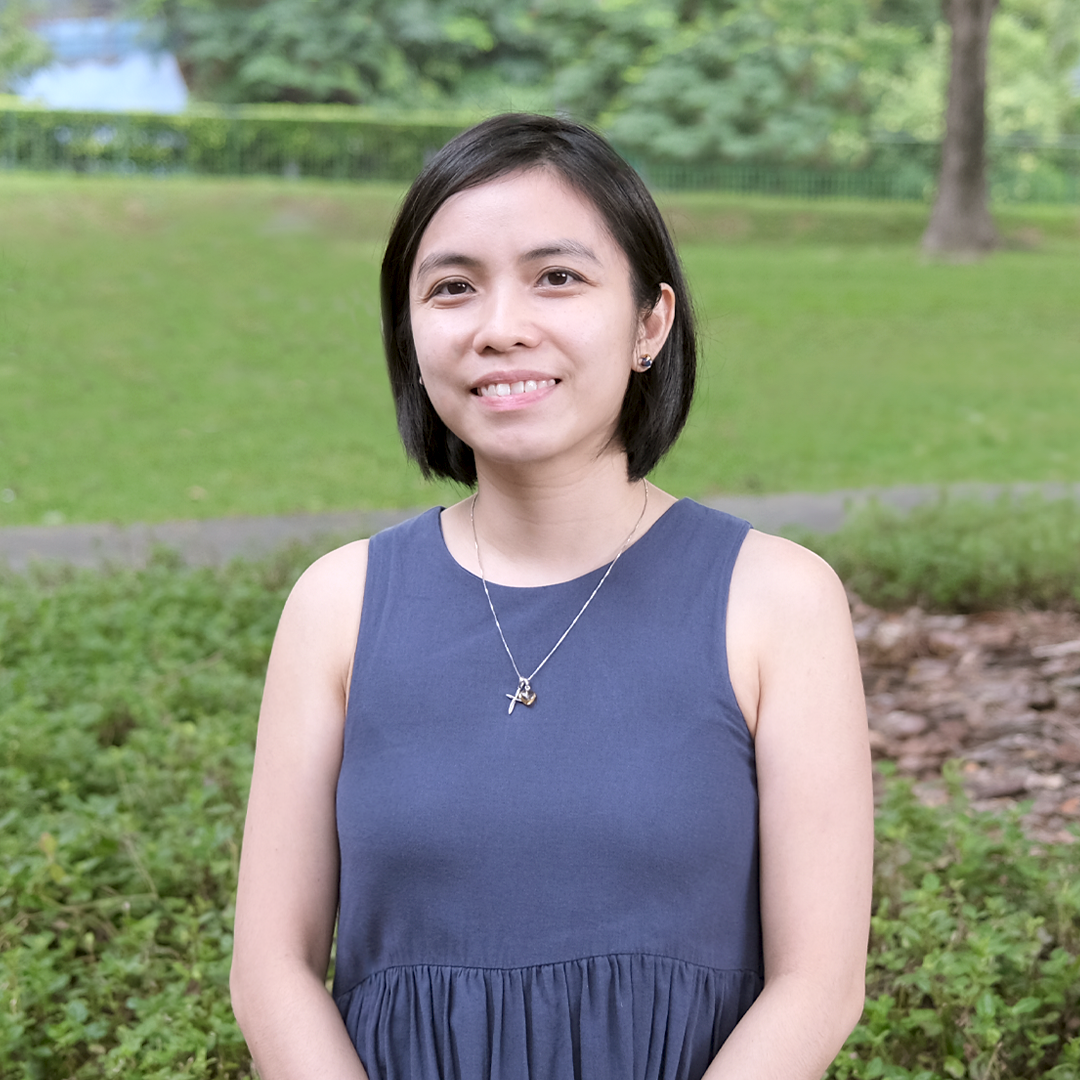
Senior TCM Physician
Bachelor of Medicine, Chinese Medicine (Beijing University of Chinese Medicine)
Bachelor of Science (Hons), Biomedical Sciences (NTU)
M.Med, Combination of TCM and Western Medicine (Clinical) (Liaoning University of Chinese Medicine)
Languages Spoken: English, 中文
Special Interest: Pain Management, Women's Health, General Wellness (Sleep & Gastro Disorders, Post-COVID Conditions)
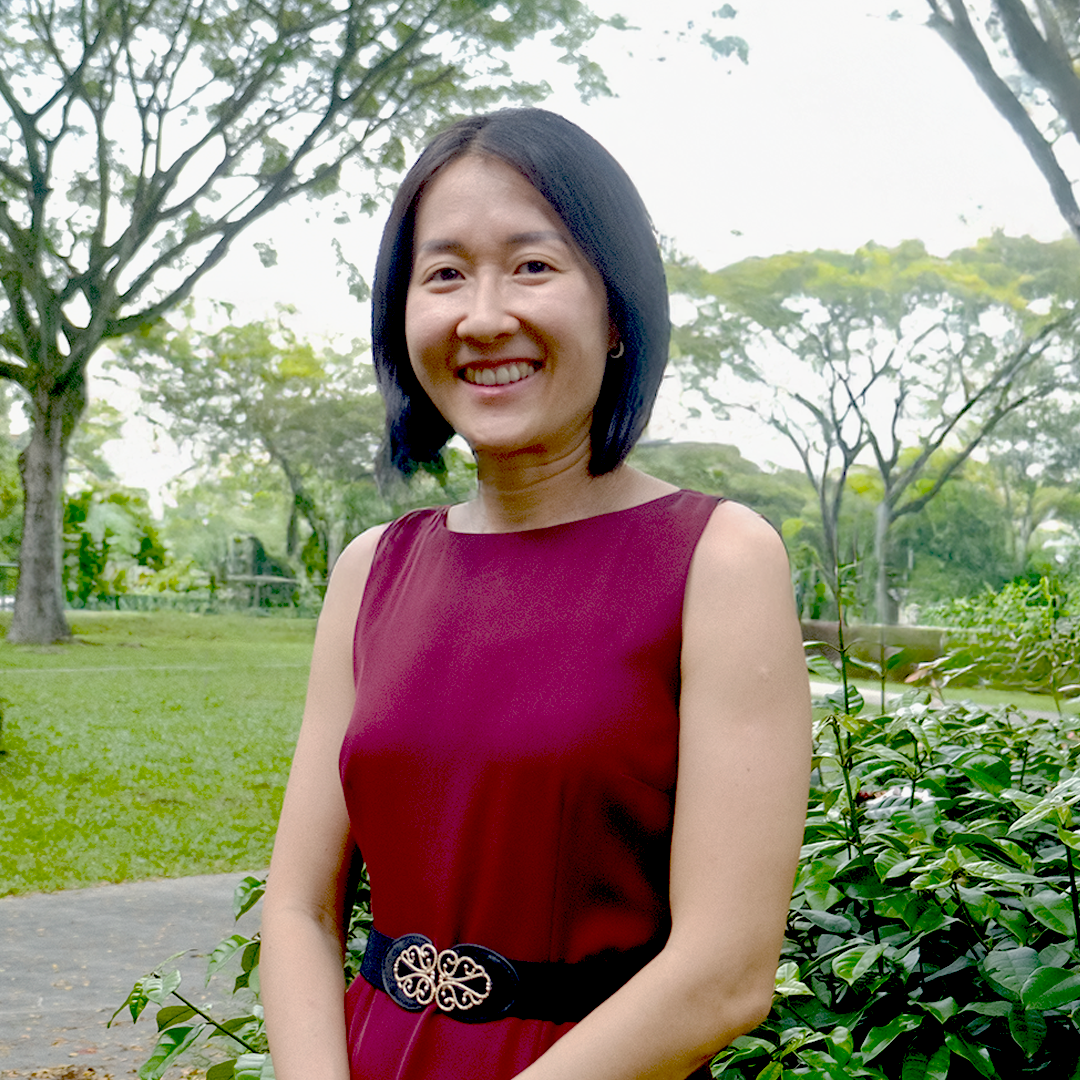
TCM Physician
Bachelor of Medicine (Chinese Medicine) (Guangzhou University of Chinese Medicine)
Advanced Diploma in Traditional Chinese Medicine (Chinese) (Singapore College of Traditional Chinese Medicine) (NTU)
Functional Fitness for Pregnancy & Postpartum™ (FFP&P) Certified Trainer
Languages Spoken: English, 中文
Special Interest: Pregnancy & Postpartum Recovery, Urology and Pelvic Floor Dysfunction, Women’s Health, Pain Management and Rehabilitation
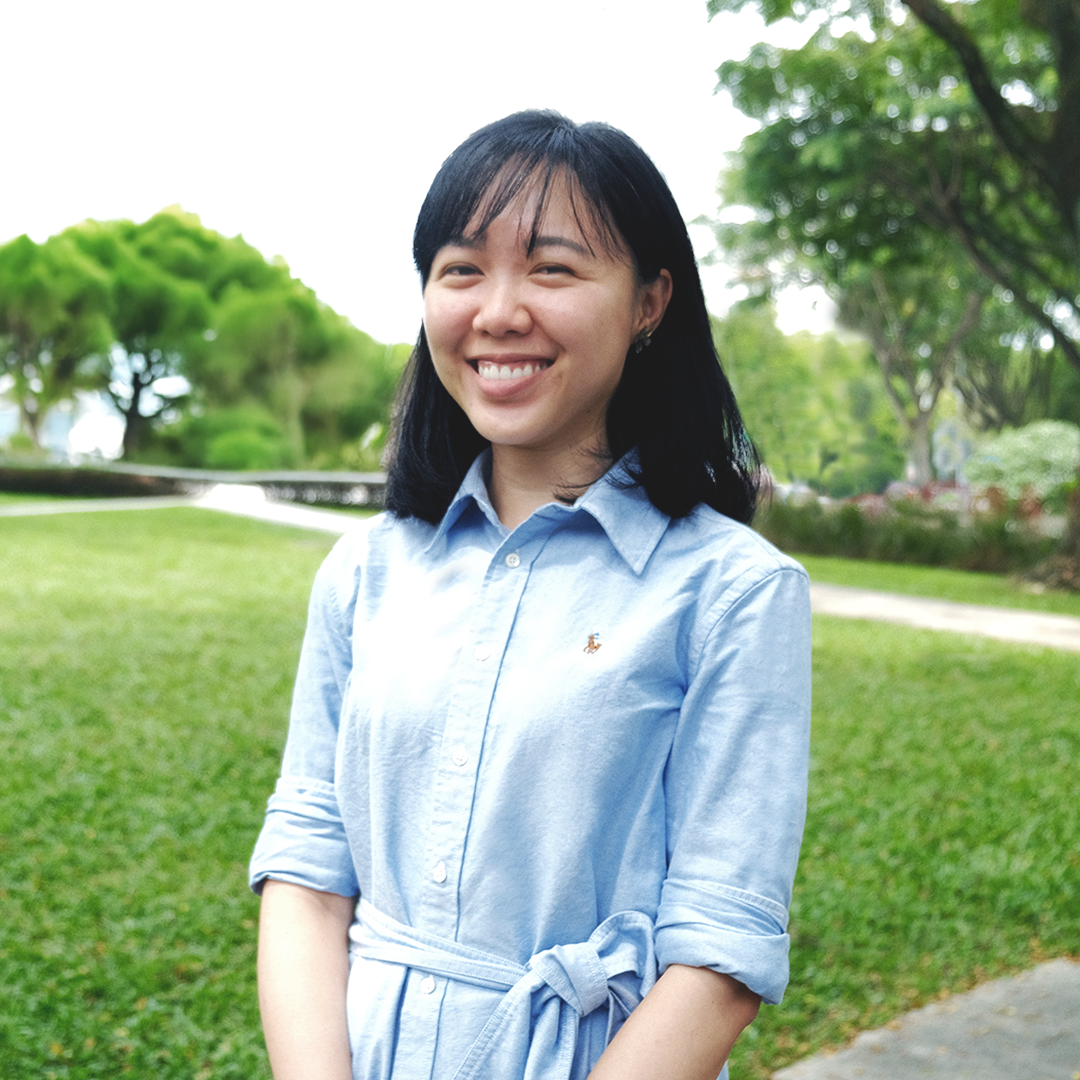
TCM Physician
Bachelor of Medicine, Chinese Medicine (Beijing University of Chinese Medicine)
Bachelor of Science (Hons), Biomedical Sciences (NTU)
Languages Spoken: English, 中文
Special Interest: Pain Management, Digestive Health and Gastrointestinal Conditions, Stress-related Conditions and Sleep Disorders, Chronic Disease Support and Lifestyle-related Conditions, Women’s Health, Preventive Health and Holistic Wellbeing
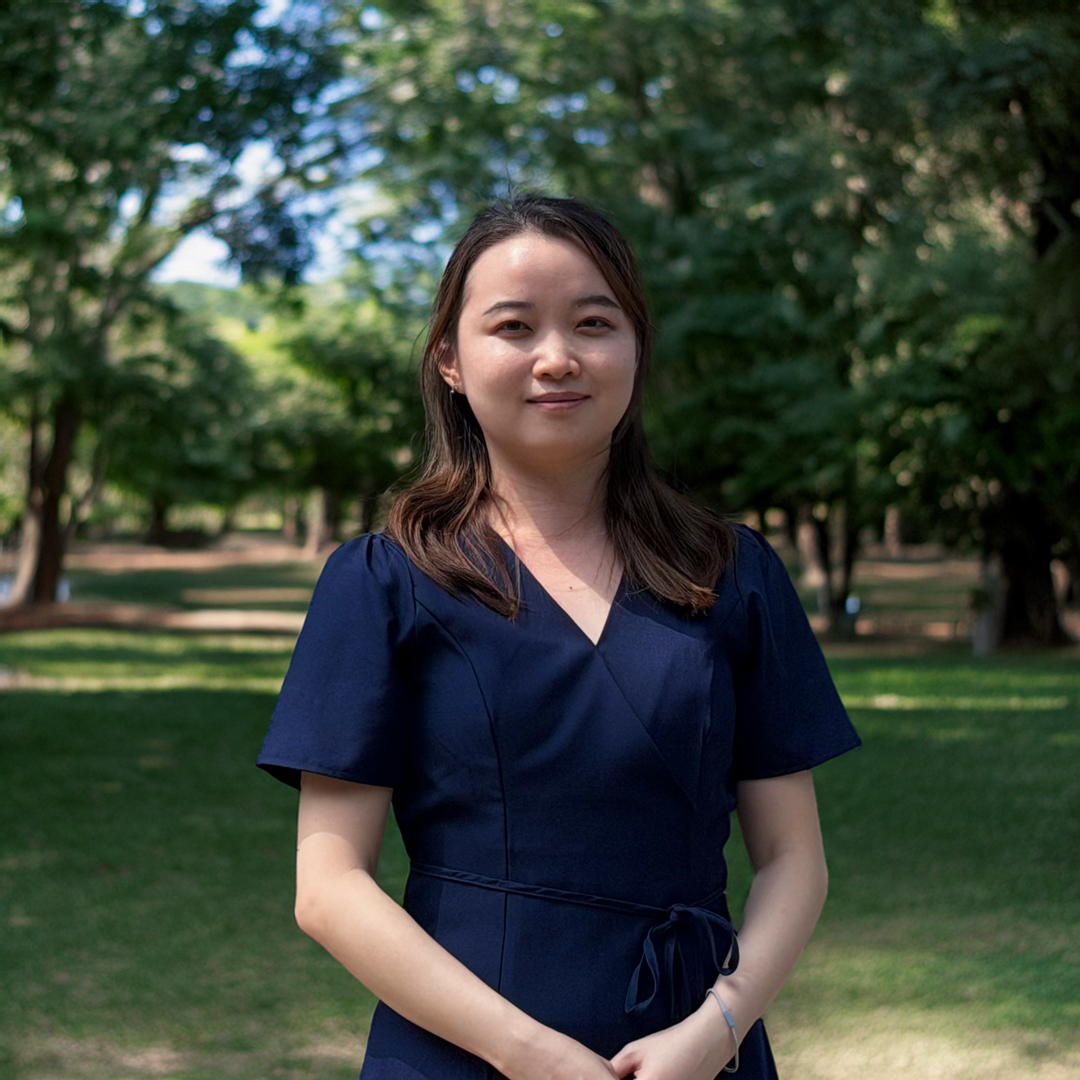
TCM Physician
Bachelor of Medicine, Chinese Medicine (Beijing University of Chinese Medicine)
Bachelor of Science (Hons), Biomedical Sciences (NTU)
Masters of Medicine, Major in Acupuncture and Tuina (Liaoning University of Traditional Chinese Medicine)
Languages Spoken: English, 中文
Special Interest: Pain Management, Post-Stroke Recovery, Stress-related Conditions and Sleep Disorders, Chronic Disease Support and Lifestyle-related Conditions, Women’s Health & Neurological Disorders (ie. Parkinsons, Alzheimers)
Why Choose Regis Wellness

Featured In

Locate Our TCM Clinic
Regis Wellness Katong
437 Joo Chiat Road, Singapore 427650
Near Marine Parade MRT


Mon, Tues, Thurs, Fri:
8.30am - 2.30pm
5.30pm - 10.00pm
Wed:
8.30am - 2.30pm
Sat:
9.00am - 3.00pm
Closed on Sundays and Public Holidays. For the latest updates on our clinic’s opening hours, please check our Google Maps.
** We will end registration 45 mins before the displayed closing time above. Please make an appointment in advance to avoid disappointment.
FAQ
Accessibility & Support
Regis Wellness Katong is located at 437 Joo Chiat Road Singapore, 427650
Click here to view our opening hoursAppointment
You can book an appointment via WhatsApp here. You may also call our hotline @ +65 9851 3720 to book an appointment.
Finance
TCM Post-Surgery Related
- Orthopaedic surgeries – knee, hip, shoulder, spinal procedures
- Sports injury repairs – ligament, tendon, cartilage surgeries
- Abdominal surgeries – appendix, gallbladder, hernia
- Gynaecological surgeries – C-section, fibroid removal, hysterectomy
- Cosmetic or reconstructive surgeries
- Cardiovascular or thoracic procedures (in consultation with your doctor)
- Acupuncture – relieves pain, accelerates healing, restores energy flow
- Cupping therapy – reduces stiffness, improves circulation, supports mobility
- Moxibustion – provides warming energy to strengthen vitality and reduce fatigue
- Gua Sha – used after wounds close to soften scar tissue and improve flexibility
- Herbal medicine – boosts immunity, reduces inflammation, supports tissue repair
- Gentle therapies such as acupuncture or herbal medicine can begin once your physician confirms it is safe
- Cupping and gua sha are usually introduced later, once wounds have closed and tissue is stable
- Pain and inflammation – may improve within the first few sessions
- Mobility and stiffness – gradual improvements over weeks of consistent therapy
- Long-term recovery. Varies depending on the type of surgery and individual healing ability
- Patients experiencing lingering pain, fatigue, or weakness after surgery
- Those who want to heal faster and reduce reliance on medication
- Individuals with stiffness, numbness, or scar tissue affecting mobility
- Seniors or patients with slower recovery due to low vitality
- Athletes seeking to regain strength and return to training safely
